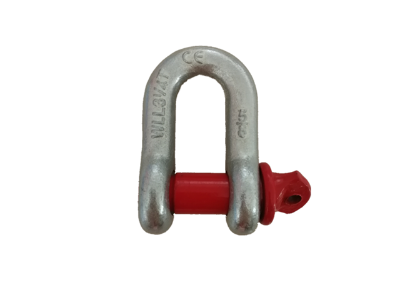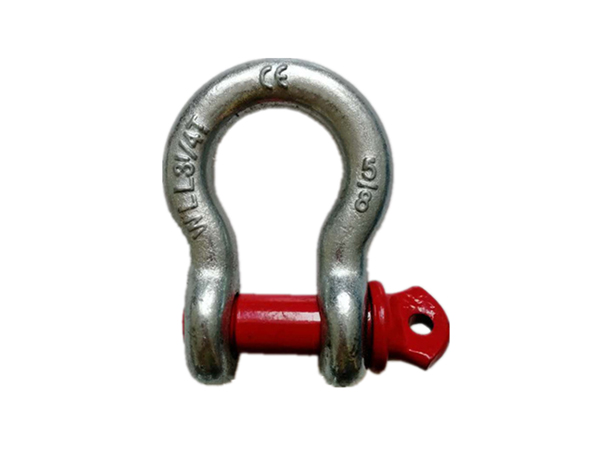

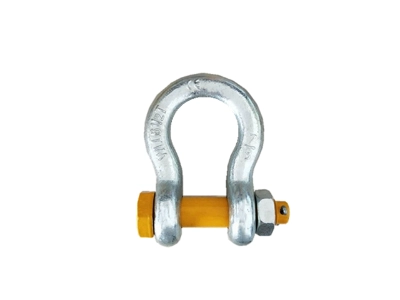



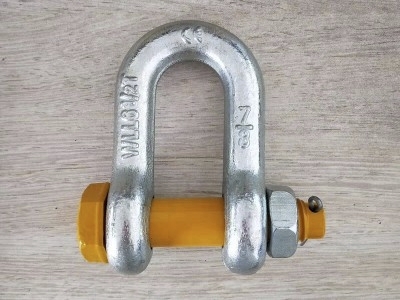
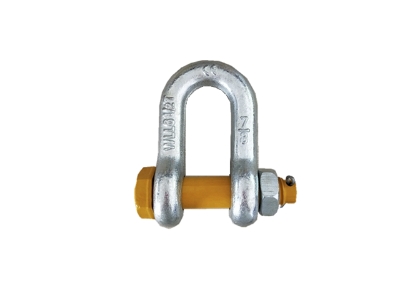
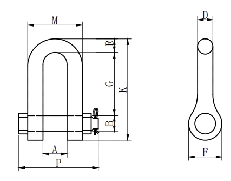
| Dimensions | Nominal size (in.) | Workload limits (t) | Dimensions of each part (mm) | ||||||||
| A | B | C | D | E | F | G | H | N | |||
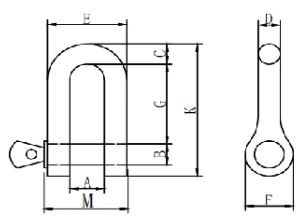 | 3/16 | 0.33 | 9.65 | 6.35 | 22.4 | 4.83 | 15.24 | 14.2 | 37.3 | 24.9 | 4.83 |
| 1/4 | 0.5 | 12 | 8 | 28 | 6.35 | 19.8 | 15.5 | 46.7 | 32.5 | 6.35 | |
| 5/16 | 0.75 | 13 | 10 | 31 | 7.87 | 21.3 | 19.1 | 53.1 | 37.3 | 7.87 | |
| 3/8 | 1 | 17 | 11 | 37 | 9.65 | 26.2 | 23.1 | 63.2 | 45.2 | 9.65 | |
| 7/16 | 1.5 | 19 | 13 | 43 | 11.2 | 29.5 | 26.9 | 73.9 | 51.6 | 11.2 | |
| 1/2 | 2 | 21 | 16.0 | 48 | 12.7 | 33.3 | 30.2 | 83.3 | 58.7 | 12.7 | |
| 5/8 | 3.25 | 27 | 20 | 60 | 16.0 | 42.9 | 38.1 | 106 | 74.7 | 17.5 | |
| 3/4 | 4.75 | 32 | 23 | 71 | 19.1 | 50.8 | 46.0 | 126 | 88.9 | 20.6 | |
| 7/8 | 6.5 | 37 | 26 | 84 | 22.4 | 57.9 | 53.1 | 148 | 102 | 24.6 | |
| 1 | 8.5 | 43 | 29 | 95 | 25.4 | 68.3 | 60.5 | 167 | 119 | 26.9 | |
| 1-1/8 | 9.5 | 46.0 | 32 | 108.0 | 28.7 | 73.9 | 68.3 | 190 | 131 | 31.8 | |
| 1-1/4 | 12 | 52 | 36 | 119 | 32.8 | 82.6 | 76.2 | 210 | 146 | 35.8 | |
| 1-3/8 | 13.5 | 57 | 39 | 133 | 36.1 | 92.2 | 84.1 | 233 | 162 | 38.1 | |
| 1-1/2 | 17 | 60 | 42 | 146 | 38.9 | 98.6 | 92.2 | 254 | 175 | 41.1 | |
| 1-3/4 | 25 | 73 | 52 | 178 | 46.7 | 127 | 106 | 313 | 224 | 57.2 | |
| 2 | 35 | 83 | 58 | 197 | 52.8 | 146 | 122 | 347 | 258 | 61.0 | |
| 2-1/2 | 55 | 105 | 71 | 267 | 68.8 | 184 | 145 | 455 | 324 | 79.5 | |
1.Instructions for use
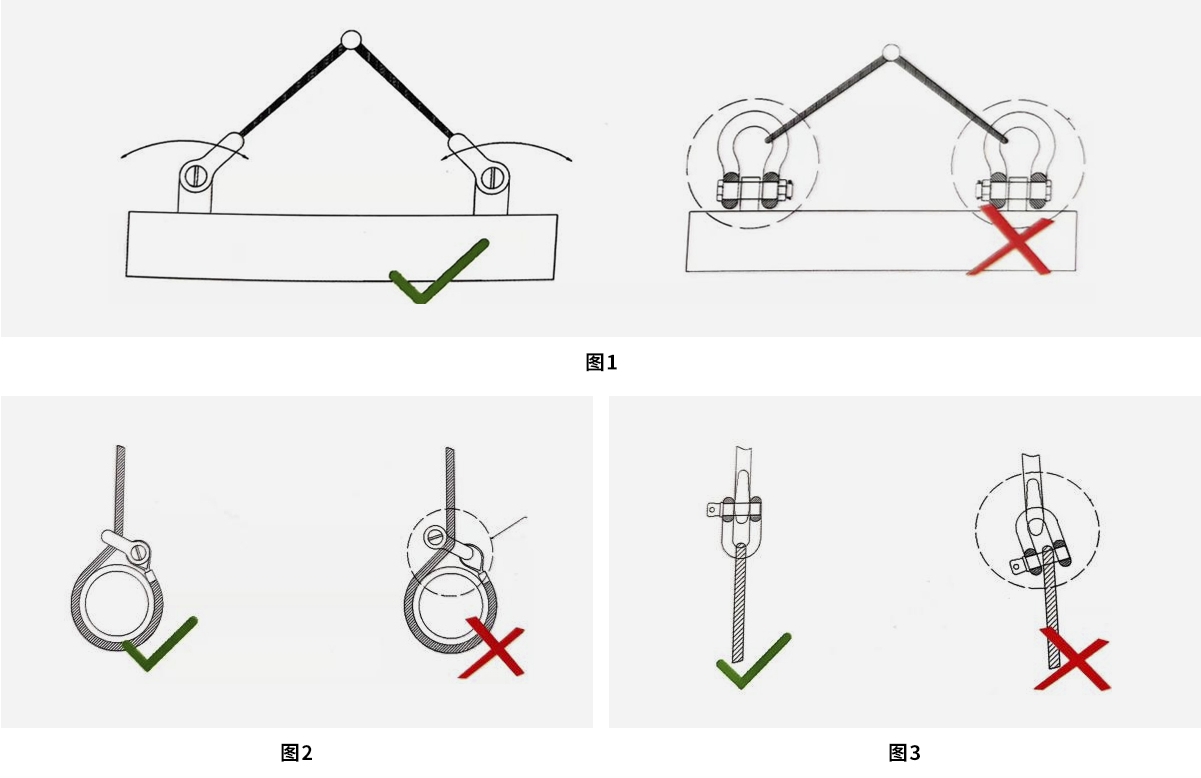
1. When using lifting rings, the maximum permissible angle is 120°, see Figure 1 below.
2. Bolts or metal bars are prohibited from being used in place of pins.
3. The shackle body should not be subjected to lateral bending moment; that is, the load-bearing capacity should be within the plane of the shackle body. See Figure 3.
4. Please use correctly; overloading is strictly prohibited.
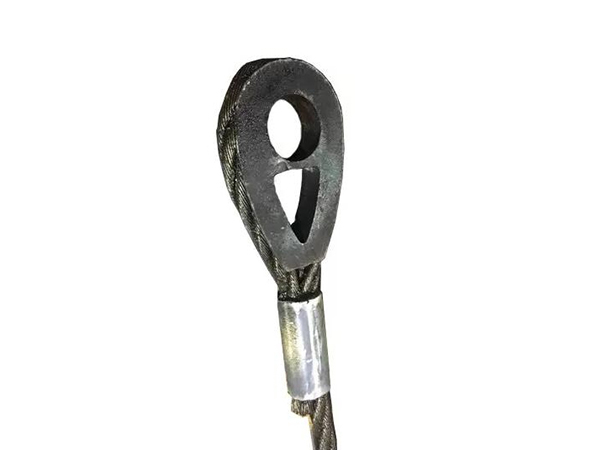
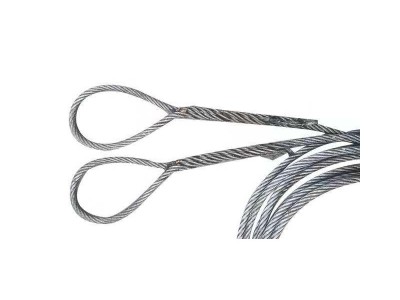
5. When shackles are used in conjunction with wire rope slings as binding rigging, the binding method should be as shown in Figure 2.
2. Scrapping Standards
1. Shackles and pins should be scrapped if they show rust or wear exceeding 10% of their nominal dimensions.
2. Shackles should be scrapped if any part shows visible cracks, fissures, or defects detected by flaw detection.
3. Shackles should be scrapped if they are visibly deformed and the pins cannot rotate.
Product Showcase
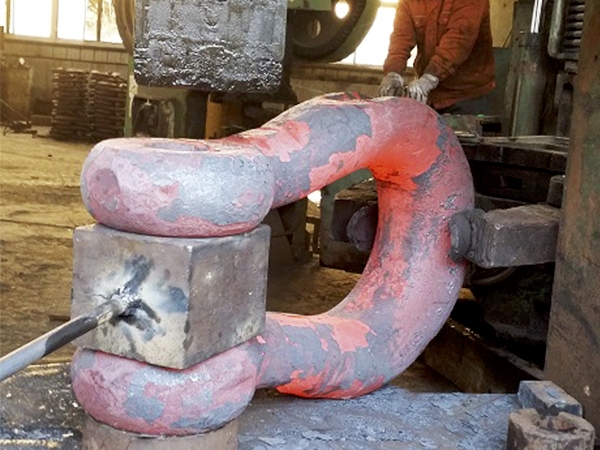
Processing

semi-finished products

Product Packaging

Product Packaging