GN OCEAN ENGINEERING EQUIPMENT(GROUP) CO. LTD

Steel Wire Rope

Featured Products

Blog

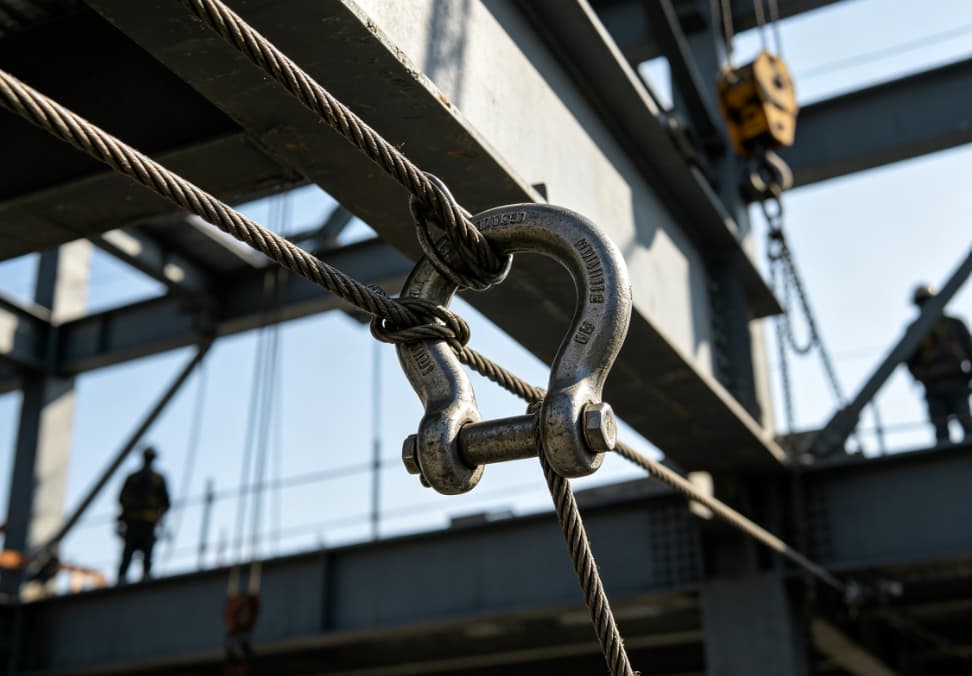
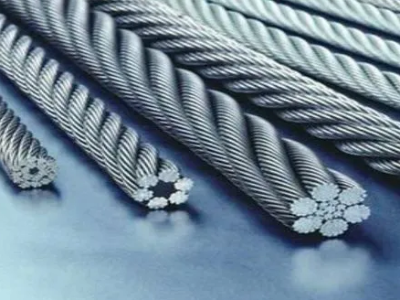
Steel wire rope is widely used in lifting, hoisting, towing, mooring, load securing, elevator systems, shipbuilding, offshore engineering, mining, and heavy industrial projects. GN supplies a comprehensive range of steel wire ropes manufactured to international standards and designed to perform reliably in demanding working environments. Available in various constructions, strength grades, and surface finishes, our wire ropes can meet the requirements of both standard and project-specific applications.

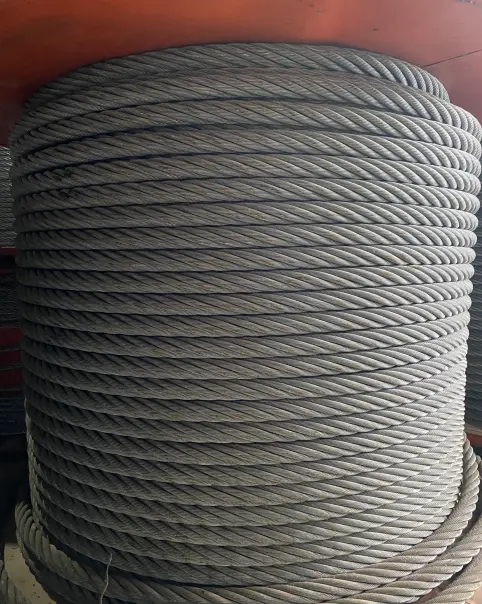
8X61M steel wire rope

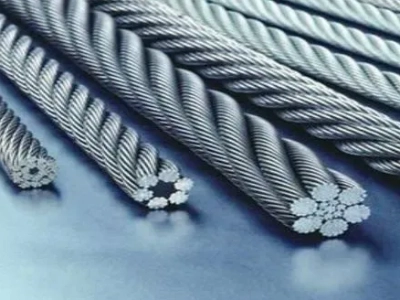
Round-strand point-contact wire rope: In this type of rope, all wires within a strand—with the exception of the centre wire—have the same diameter. The lay lengths of adjacent layers differ, and the wires in adjacent layers within the strand make contact only at specific points; this type of rope is also known as a non-parallel-lay wire rope. The wires within the strand are arranged concentrically, with a difference of six wires between adjacent layers. These ropes offer good flexibility and are predominantly used for small diameters (under 10 mm) and large diameters (over 60 mm), as well as in applications such as lifting and lashing where ease of handling is a consideration.

Round-strand wire rope

Wire ropes in which adjacent layers of wires within a strand are in line contact are also known as parallel-lay wire ropes. The strands are formed by twisting wires of various specifications; the pitch of the wires in each layer is the same, but the lay angle varies. Depending on the arrangement of the wires within the strand, line-contact wire ropes are classified into four types: Walentin, Sill, filled, and Walentin-Sill. In line-contact wire ropes, not only do the wires within the same layer make line contact, but adjacent wires also make line contact; furthermore, the wires in each layer of the strand have the same lay direction (see Wire Rope Laying Methods) and pitch.

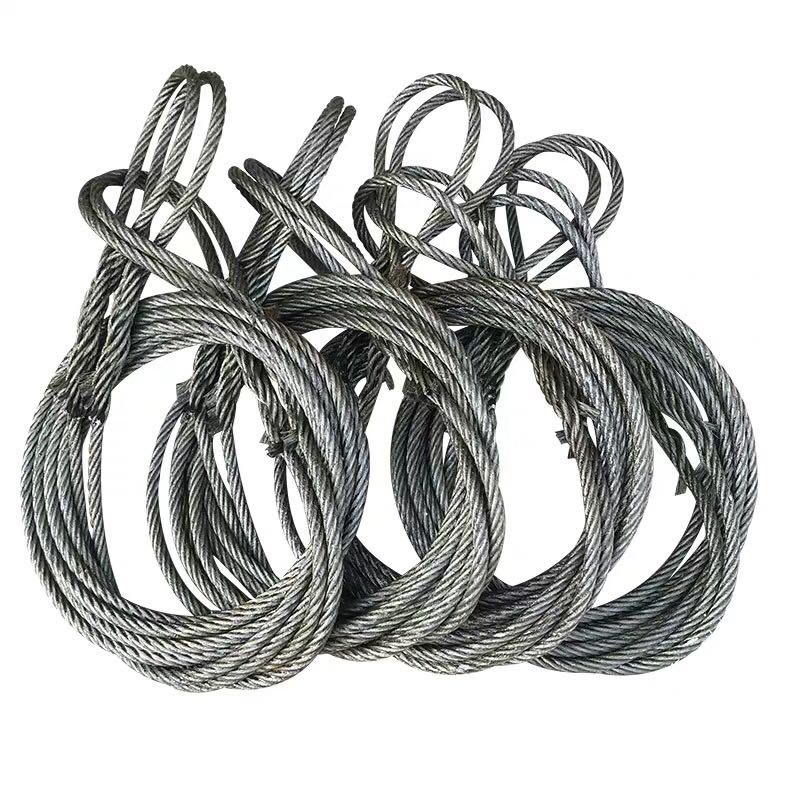
18*K7 anti-rotation compacted-strand steel wire rope

Compared to standard wire ropes, those made from compacted strands offer a higher breaking strength; the compacted strands ensure better contact between the rope and the pulley; furthermore, the large metal surface area of the outer wires makes compacted strands more resistant to wear and corrosion. When steel wire ropes are used on multi-layer winding drums, the smooth surface of compacted strands ensures that adjacent strands do not cause scratches or damage to the rope through mutual friction; this characteristic makes face-contact (compacted strand) steel wire ropes more suitable for multi-layer winding applications.

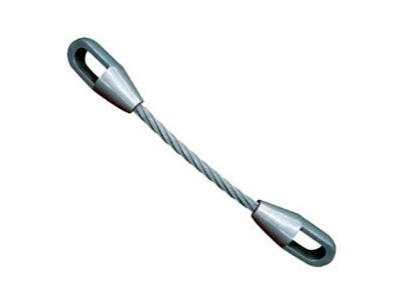
Steel wire ropes for lifts and hoisting machinery

Wire ropes in which adjacent layers of wires within a strand are in line contact are also known as parallel-lay wire ropes. The strands are formed by twisting wires of various specifications; the pitch of the wires in each layer is the same, but the lay angle varies. Depending on the arrangement of the wires within the strand, line-contact wire ropes are classified into four types: Walentin, Sill, filled, and Walentin-Sill. In line-contact wire ropes, not only do the wires within the same layer make line contact, but adjacent wires also make line contact; furthermore, the wires in each layer of the strand have the same lay direction (see Wire Rope Laying Methods) and pitch.

Steel cables for cable cars

Wire ropes in which adjacent layers of wires within a strand are in line contact are also known as parallel-lay wire ropes. The strands are formed by twisting wires of various specifications; the pitch of the wires in each layer is the same, but the lay angle varies. Depending on the arrangement of the wires within the strand, line-contact wire ropes are classified into four types: Walentin, Sill, filled, and Walentin-Sill. In line-contact wire ropes, not only do the wires within the same layer make line contact, but adjacent wires also make line contact; furthermore, the wires in each layer of the strand have the same lay direction (see Wire Rope Laying Methods) and pitch.

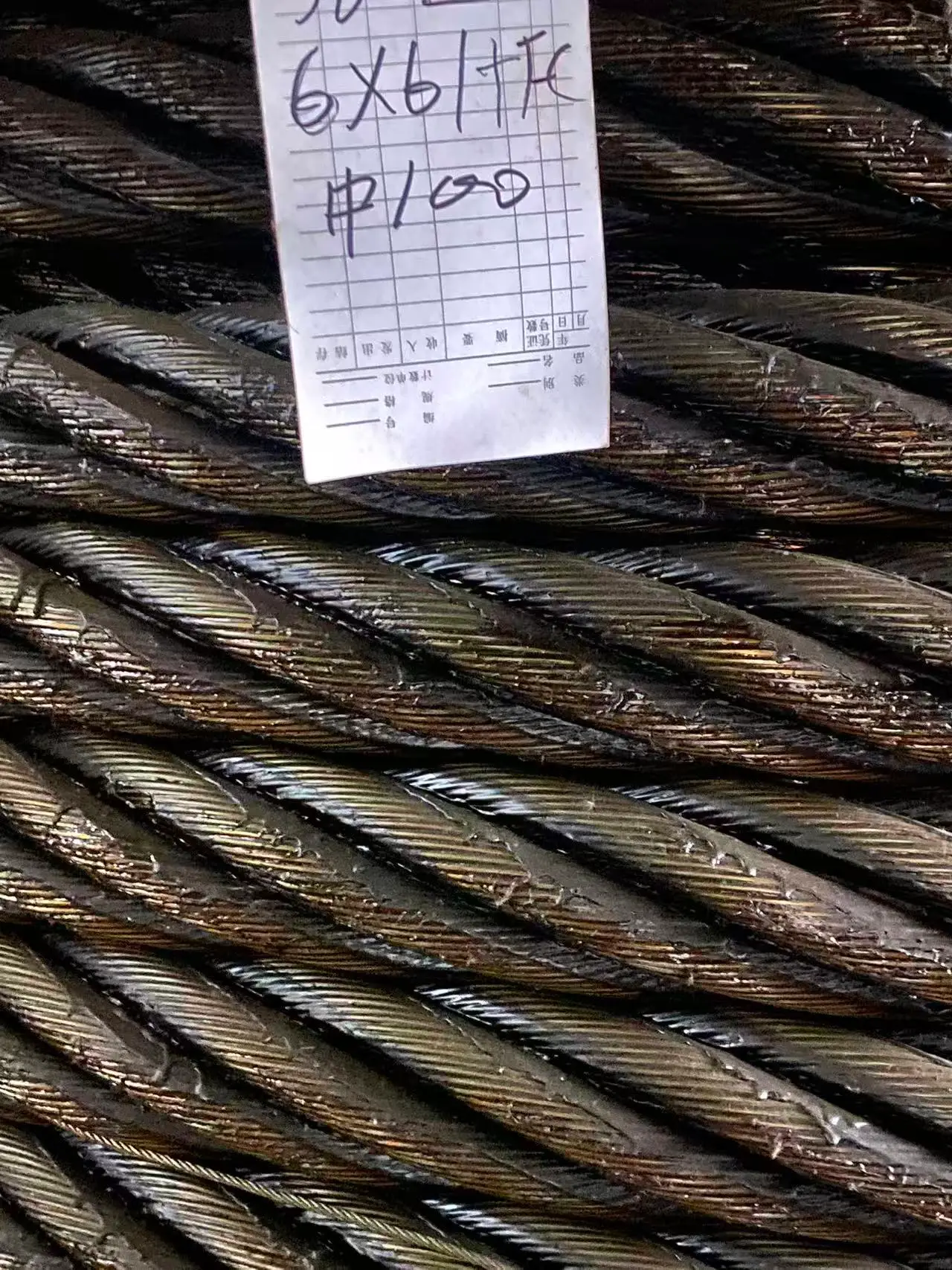
6X61 steel wire rope

Round-strand point-contact wire rope: In this type of rope, all wires within a strand—with the exception of the centre wire—have the same diameter. The lay lengths of adjacent layers differ, and the wires in adjacent layers within the strand make contact only at specific points; this type of rope is also known as a non-parallel-lay wire rope. The wires within the strand are arranged concentrically, with a difference of six wires between adjacent layers. These ropes offer good flexibility and are predominantly used for small diameters (under 10 mm) and large diameters (over 60 mm), as well as in applications such as lifting and lashing where ease of handling is a consideration.

8 strands wire ropes

Round-strand point-contact wire rope: In this type of rope, all wires within a strand—with the exception of the centre wire—have the same diameter. The lay lengths of adjacent layers differ, and the wires in adjacent layers within the strand make point-contact with one another; this type of rope is also known as a non-parallel-lay wire rope. The wires within the strand are arranged concentrically, with a difference of six wires between adjacent layers. These ropes offer good flexibility and are predominantly used for small diameters (under 10 mm) and large diameters (over 60 mm), as well as in applications such as lifting and lashing where ease of handling is a consideration.

6×24 MFC-FC wire rope

Round-strand point-contact wire rope: In this type of rope, all wires within a strand—with the exception of the centre wire—have the same diameter. The lay lengths of adjacent layers differ, and the wires in adjacent layers within the strand make contact only at specific points; this type of rope is also known as a non-parallel-lay wire rope. The wires within the strand are arranged concentrically, with a difference of six wires between adjacent layers. These ropes offer good flexibility and are predominantly used for small diameters (under 10 mm) and large diameters (over 60 mm), as well as in applications such as lifting and lashing where ease of handling is a consideration.

6 strands wire ropes

Round-strand point-contact wire rope: In this type of rope, all wires within a strand—with the exception of the centre wire—have the same diameter. The lay lengths of adjacent layers differ, and the wires in adjacent layers within the strand make contact only at specific points; this type of rope is also known as a non-parallel-lay wire rope. The wires within the strand are arranged concentrically, with a difference of six wires between adjacent layers. These ropes offer good flexibility and are predominantly used for small diameters (under 10 mm) and large diameters (over 60 mm), as well as in applications such as lifting and lashing where ease of handling is a consideration.

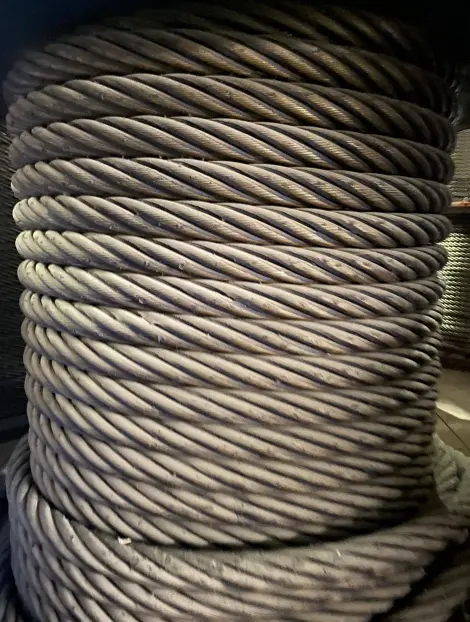
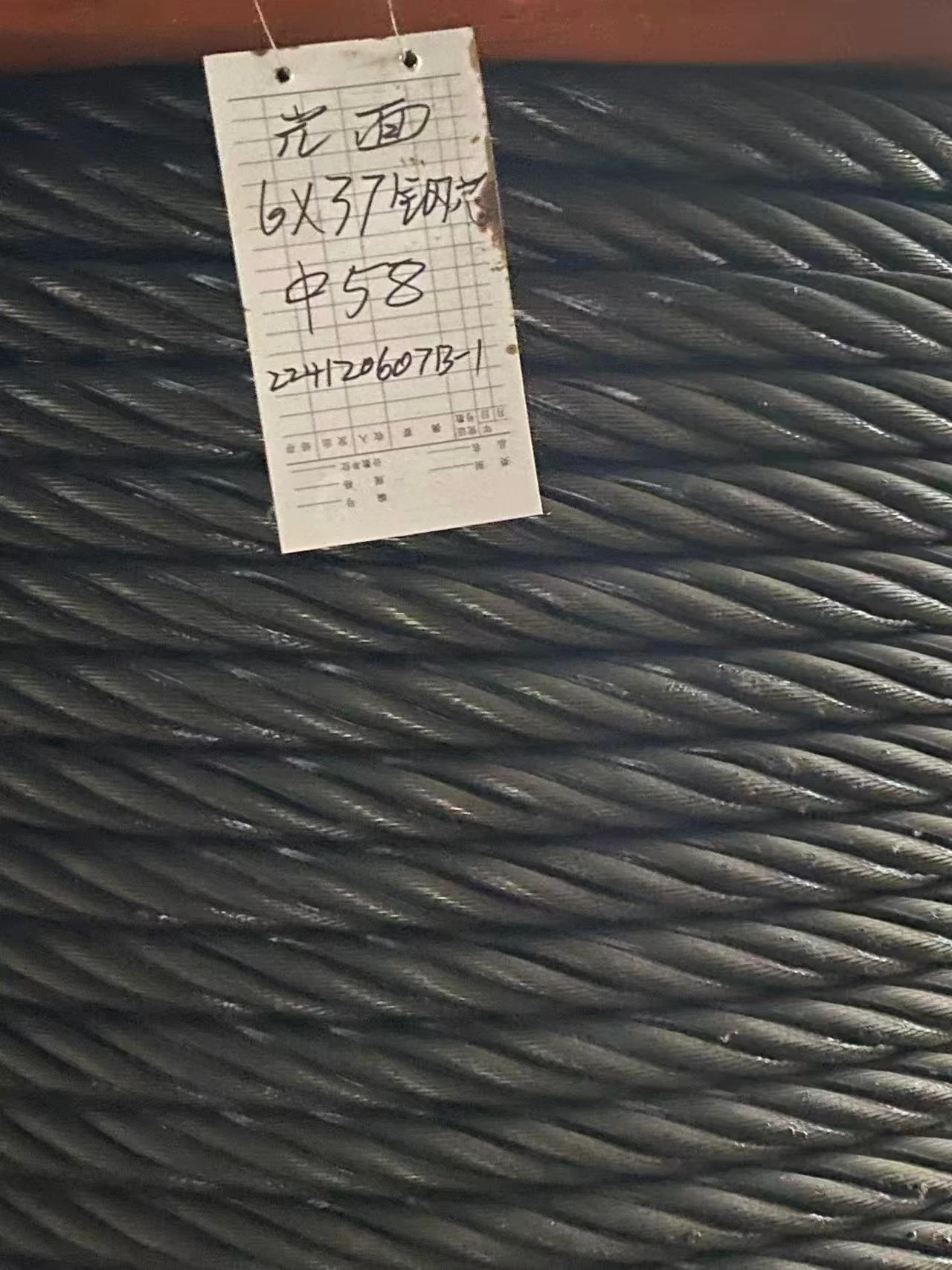
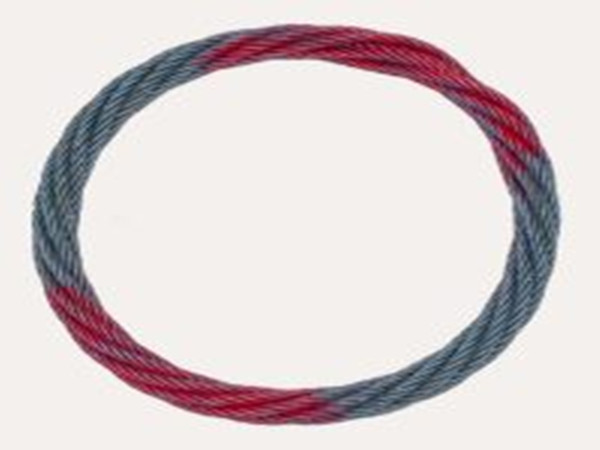
Compacted-core plastic-coated steel wire rope

Compared to standard wire ropes, those made from compacted strands offer a higher breaking strength; the compacted strands ensure better contact between the rope and the pulley; furthermore, the large metal surface area of the outer wires makes compacted strands more resistant to wear and corrosion. When steel wire ropes are used on multi-layer winding drums, the smooth surface of compacted strands ensures that adjacent strands do not cause scratches or damage to the rope through mutual friction. This characteristic makes face-contact (compacted strand) steel wire ropes more suitable for multi-layer winding applications.
Wide Product Range for Different Applications

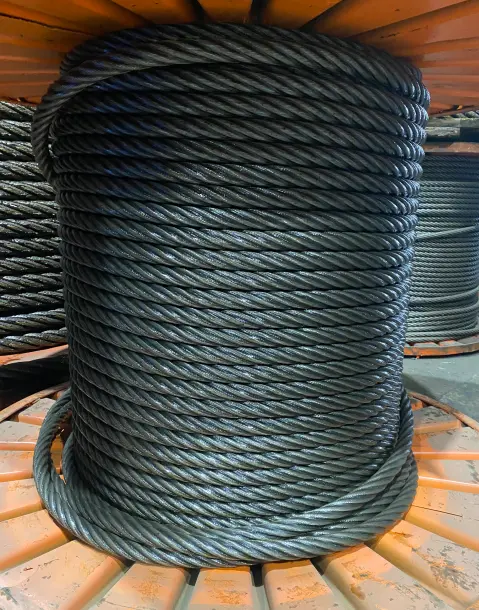
We offer wire ropes for a variety of industries and operating conditions, including crane ropes, elevator ropes, mooring ropes, towing ropes, and load securing ropes. Products are available in galvanized or bright finish, with both IWRC steel core and FC fiber core options.

Custom Specifications to Meet Project Requirements

Wire ropes can be supplied according to different strength grades, including 1770 MPa, 1870 MPa, 1960 MPa, and 2160 MPa. We manufacture according to EN, ASTM, API, GOST, and GB standards, ensuring compatibility with regional and industry requirements.

Reliable Quality & Certification Support

All products undergo strict quality inspections throughout production. Third-party certifications such as ABS, DNV, CCS, LR, and BV can be provided upon request to support marine, offshore, and industrial projects.

Applications

Suitable for offshore platforms, marine engineering, cranes, elevators, shipbuilding, mining equipment, towing operations, and heavy lifting projects.

Tell me what you need