
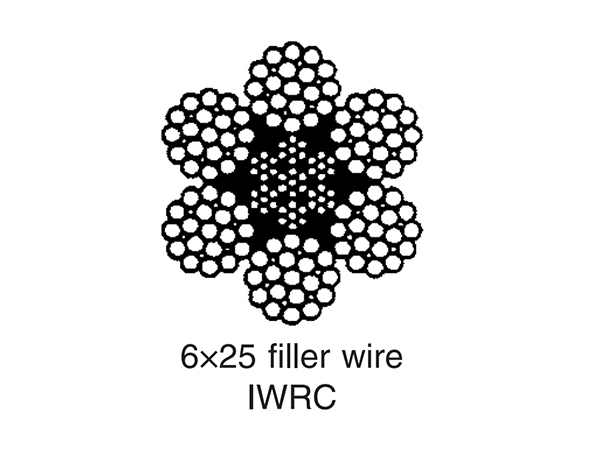
Unwinding
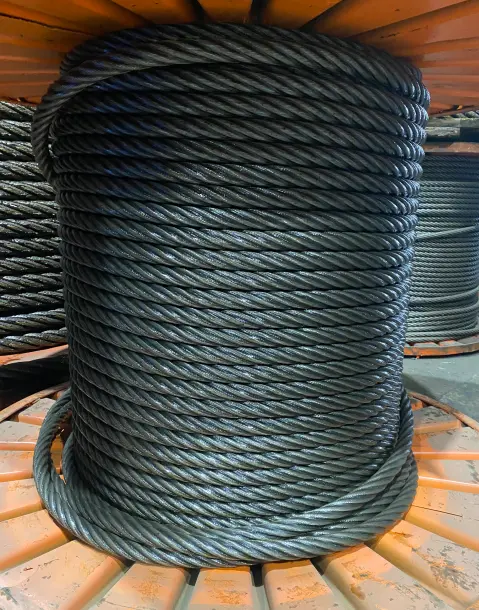
When unwinding, place the rope drum on a dedicated stand. Alternatively, thread a steel pipe through the hole in the drum, loop the rope around both ends and lift it, then slowly rotate the drum (see illustration below).
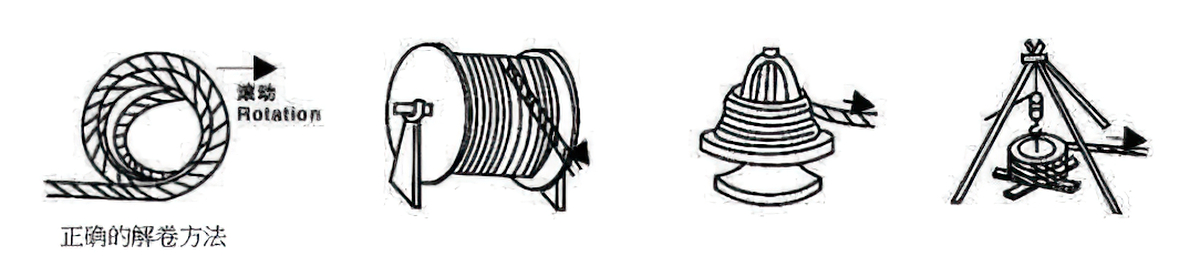
Arrangement of wire ropes on the drum
The direction in which the wire rope is wound onto the drum must correspond to the rope’s lay: right-hand lay ropes should be wound from left to right, and left-hand lay ropes from right to left. The rope must be wound neatly to prevent uneven or twisted winding.
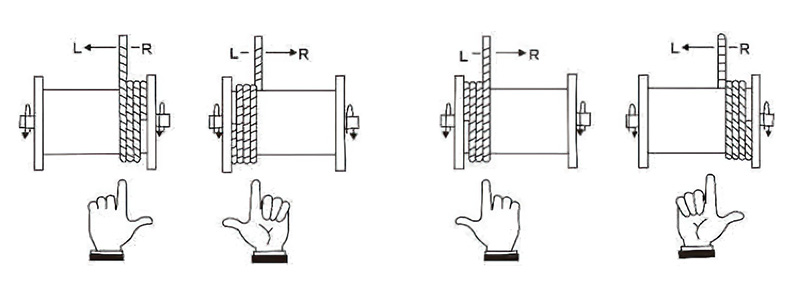
03. Cutting
When cutting a wire rope, mark two points 10–20 mm apart, secure them with wire, ensuring the length of the tie is 1–4 times the rope diameter, and then cut the rope using a cutting tool.
Wire Rope Maintenance Methods
I. Operation
During operation, the wire rope should be moved at a steady speed; it must not be operated beyond its load capacity, and impact loads must be avoided.
II. Maintenance
Wire ropes are coated with sufficient grease during manufacture; however, following operation, the grease gradually diminishes and the rope’s surface accumulates dirt, debris and other contaminants, leading to wear on the rope and sheaves, as well as rusting. Therefore, regular cleaning and lubrication are essential. A simple method involves using a wire brush or other suitable tools to remove dust and other contaminants from the surface of the wire rope, then evenly applying melted grease to the surface. Alternatively, No. 30 or No. 40 machine oil may be sprayed onto the surface of the wire rope, but care must be taken not to spray too much and cause environmental pollution.
III. Inspection Records
Steel wire ropes must be inspected regularly and records kept. In addition to the cleaning and lubrication mentioned above, regular inspections should include checking the degree of wear, broken wires, corrosion, and the wear on vulnerable components such as hooks, lifting eyes and the grooves of each pulley. Any abnormalities discovered must be rectified or replaced promptly.
Recommended main uses for steel wire ropes
| Application Category | Wire rope structure | |
| Steel wire rope for mines
| Shaft hoisting rope | 6x25TS 6x28TS 6x19S 6x25F 6x29F 6x26WS 6x31WS 6x36WS 6x41WS 6xV34 6xV37 6xV37S |
| Shaft hoisting rope (for shaft construction) | 35(W)x7 18×7-WSC | |
| Shaft balance rope | 35(W)x7 18×7-WSC PD 8x4x9 PD 8x4x9 PD 8x4x19 | |
| Shaft guideway and cableway load-bearing rope | (13~30)Z-WSC 6xK7 6×7 | |
| Inclined shaft hoisting | 6x10TS 6x25TS 6x26WS 6xK7 6×7 6x19S 6xK19S 6Vx19 | |
| Wire rope traction belt conveyor (steel belt conveyor) | 6x26WS 6x31WS 6x36WS | |
| Oilfield steel wire rope | Sucker rod and tubing lifting rope | 6x25F-IWRC 6x26WS-IWRC 6x31WS-IWRC 18×7-FC 18×7-WSC |
| sucker rod suspension rope | 6x19S-FC | |
| Sand dredging rope | 6×7-FC | |
| Percussion drilling rope (drilling and cleanup) | 6x21F-FC 6x26WS-FC | |
| Strike drill down casing rope | 6x25F 6x26WS | |
| Drilling ropes for coring and small-bore rotary drilling rigs | 6x19S-IWRC 6x26WS-IWRC | |
| Rotary drilling rig drilling rope | 6x19S-IWRC 6x25F-IWRC 6x26WS-IWRC 6x31WS-IWRC | |
| Heavy-duty winch rope | 6x26WS-IWRC 6x31WS-IWRC 6x36WS-IWRC 6x29F-IWRC | |
| Donkey head rope for oil pumping unit | 6x19S 6x25F 6x26WS 6x31WS 6x29F 6x36WS 6x41WS 6x49SWS 18×7-WSC | |
| Marine anchor cables | 6x19S-IWRC 6x25F-IWRC 6x26WS-IWRC 6x31WS-IWRC 6x29F-IWRC 6x36WS-IWRC 6x41WS-IWRC 6x49SWS-IWRC 6x55SWS-IWRC | |
| Raising the derrick rope | 6x19S-IWRC 6x25F-IWRC 6x26WS-IWRC 6x31WS-IWRC 6x29F-IWRC 6x36WS-IWRC 6x41WS-IWRC 6x49SWS-IWRC 6x55SWS-IWRC | |
| Oilfield steel wire rope | Guide rope tensioner rope | 6x25F-IWRC 6x26WS-IWRC |
| riser tensioner rope | 6x31WS-IWRC 6x29F-IWRC 6x36WS-IWRC 6x41WS-IWRC 6x49SWS-IWRC 6x55SWS-IWRC | |
| Sulfur-resistant plastic-coated rope for oil testing | 6x19S-IWRC | |
| Oilfield truck rope | 18×7-WSC 35(W)x7 | |
| Passenger aerial cableway | cyclic | 6x19S 6x25F 6x26WS 6x31WS 6x36WS 6x41WS |
| reciprocating | (13~30)Z-WSC (20~30)Z+(13~28)Z-WSC | |
| Freight cableway | cyclic | 6×7 6x19S 6x26WS 6x31WS 6x36WS |
| reciprocating | (13~30)Z-WSC (20~30)Z+(13~28)Z-WSC | |
| Electric shovel lifting, pushing, and pulling back | FPF-6x36WS-IWRC FPF-8x36WS-IWRC FPF-8xK36WS-IWRC FPF-8x49SWS-IWRC FPF-8x55SWS-IWRC | |
| hoisting wire rope | Single-layer winding, double-drum, and double-pulley cranes (double-pulley cranes with counterbalance booms should use wire ropes with left and right twists). | 6x26WS-IWRC 6x31WS-IWRC 6x36WS-IWRC 6x36WS-EPIWRC 6xK19S-IWRC 6xK26WS-IWRC 6xK31WS-IWRC 6xK36WS-IWRC |
| High-lift, low-layer winding cranes with single or double drums and single or double pulley blocks (when using wire ropes in pairs, the left and right twists should be matched). Low-lift cranes with single or double drums, single or double pulley blocks, and wire ropes with anti-torsion devices. | 15xK7-IWRC 16xK7-IWRC 35(W)x7 35(W)xK7 | |
| Low-lift, single-drum, single-pulley crane | 18×7-WSC 35(W)x7 18x19S-WSC 4Vx39S-FC 4Vx36WS-FC 35(W)Xk7 | |
| High-lift, multi-layer winding cranes with single and double drums and single and double pulley blocks (when using wire ropes in pairs, the left and right twists should be matched). | 15xK7-IWRC 16xK7-IWRC 15xK7-EPIWRC 16xK7-EPIWRC 35(W)xK7 | |
| luffing rope | 6x26WS-IWRC 6×31-IWRC 6x29F-IWRC 6x36WS-IWRC 6x41WS-IWRC | |
| Steel wire rope for hoisting steel ladles | 6x19S-IWRC 6x26WS-IWRC 6x31WS-IWRC 6x36WS-IWRC 8xK26WS-IWRC 8xK31WS-IWRC | |
| Blast furnace hoist | 6x25TS-FC 6x28TS-FC | |
| Wire rope for dredgers | 6xK36WS-IWRC 8xK26WS-IWRC 8xK31WS-IWRC 8x26WS-IWRC 8x31WS-IWRC | |
| Cable crane carrying cable | (13~30)Z-WSC (20~30)Z+(13~28)Z-WSC | |
| Tugboats and cargo nets for floating timber transport | 6×24 6x24S 6x31WS 6x36WS 6x37S 6×37 | |
| Ship mast tensioning | 6×7-WSC 6×19-WSC 6x19S-WSC 6×37-WSC | |
| Suspension bridge main cable and suspension cable | 6×7-WSC 6×19-WSC 6x19S-WSC 6×37-WSC (13~30)Z-WSC (20~30)Z+(13~28)Z-WSC | |
| Salvage ship | 6x37S 6x36WS 6x41WS 6x49SWS 6x55SWS 6x61FWS 6x64SFS 6x65FNS 6x80WSNS 6x84WSNS 6x111SWSNS 6x10³FSNS 6x10⁹SWSNS 8x36WS 8x41WS 8x49SWS 8x55SWS 8x61FWS 8x64SFS 8x65FNS 8x80WSNS 8x84WSNS 8x111SWSNS 8x10³FSNS 8x10⁹SWSNS 8×7 8×61 | |
| Fishing net trawling | 6×19-FC 6x19S-FC | |