

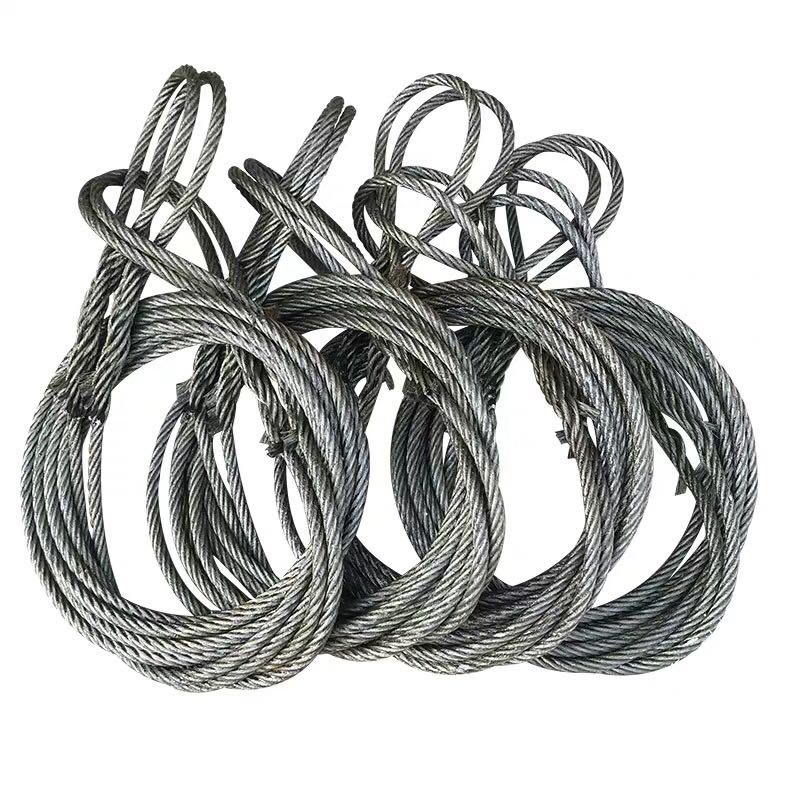
One of the most important components of lifting equipment is the wire rope, which determines the safety of the entire process when lifting goods. High-quality wire rope can improve the safety factor of lifting equipment, while poor-quality rope may pose safety hazards. Wire ropes are mainly made of high-quality carbon steel and undergo multiple cold drawing and heat treatments to achieve high strength. For workplaces in damp or open-air environments, wire ropes made of galvanized steel wire can be used to enhance their rust resistance.
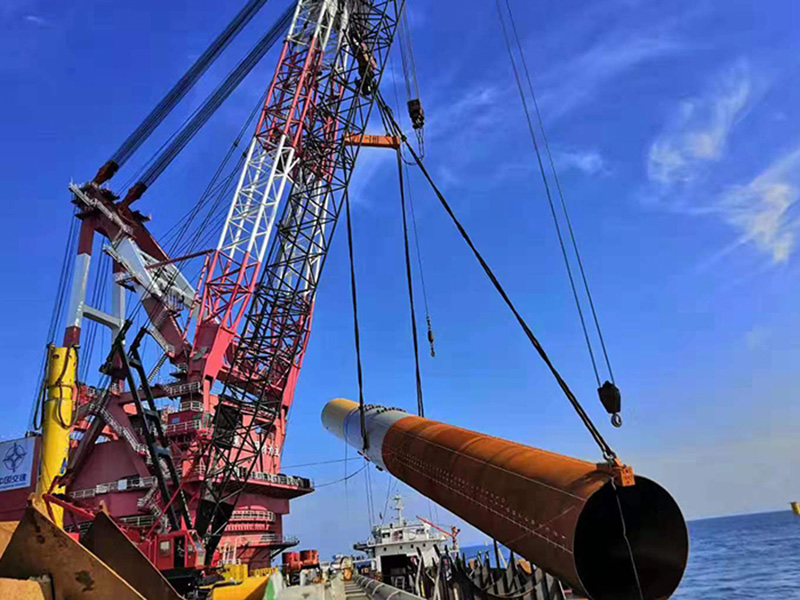
Steel wire ropes are standardized products, and different specifications such as diameter, number of strands, number of wires per strand, tensile strength, and safety factor can be selected according to usage requirements. This information can usually be found in relevant manuals. Besides the wear of the outer steel wires, steel wire ropes mainly break due to fatigue cracks caused by repeated bending. Therefore, a crucial factor determining the lifespan of a steel wire rope is the ratio of the pulley or drum diameter to the wire rope diameter. A larger ratio, meaning lower bending stress on the wires, results in a longer lifespan, but also a larger structure. Therefore, the appropriate ratio must be determined based on the application. Steel wire ropes should be scrapped promptly if the surface wear, corrosion, and number of broken wires per twist exceed specified values. Steel wire ropes are mainly used in transportation applications requiring high-strength ropes, such as hoisting and pulling.