
Product
categories

Blog
Industry News
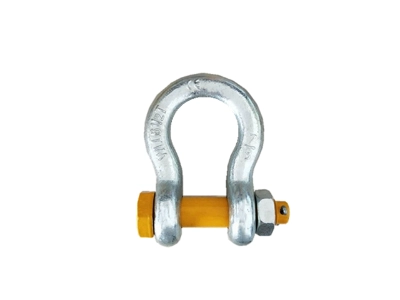
What Is the Difference Between D Shackle and Bow Shackle? A Practical Guide
Compare D shackle vs bow shackle differences, including load direction, WLL, applications, and selection tips for safe lifting and rigging.
2026-09-11
Industry News
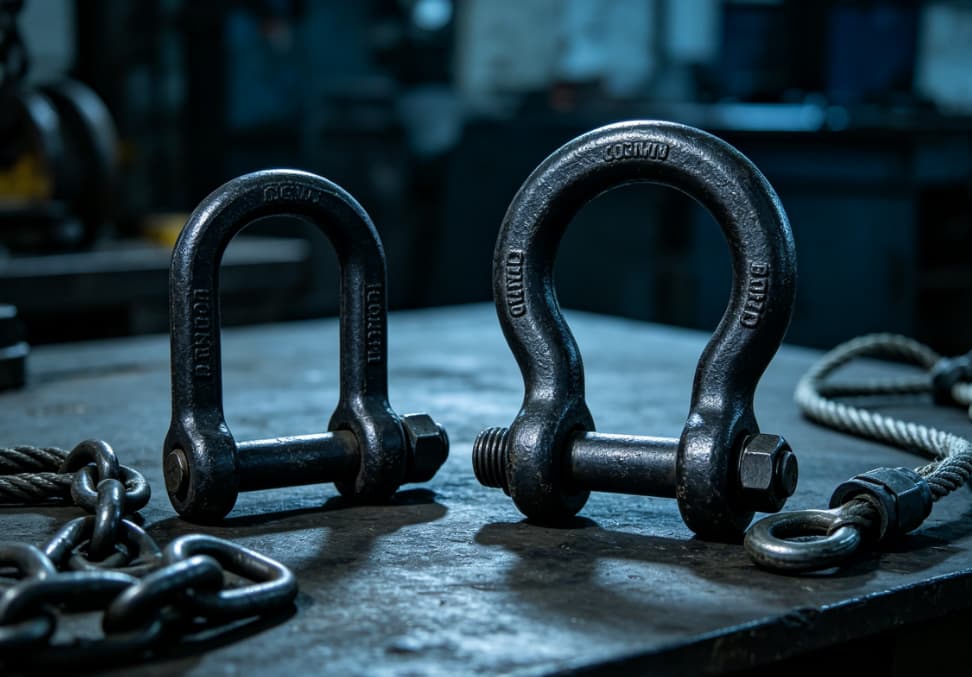
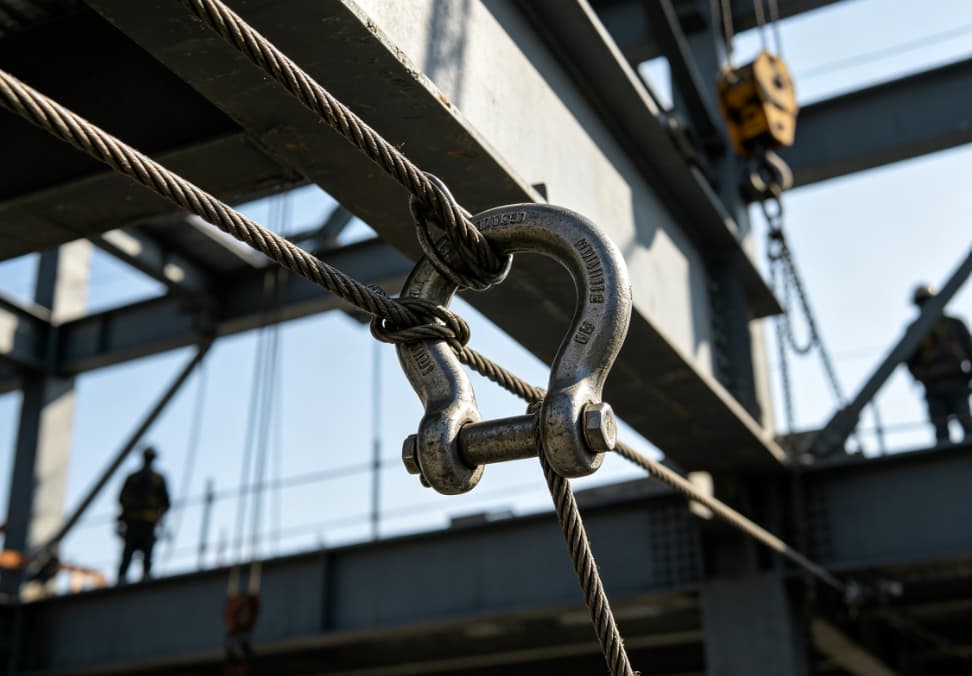
Are Forged Bow Shackles Safer Than Cast Ones?
Compare forged vs cast bow shackles to understand strength, fatigue resistance, safety factors, and how to choose reliable lifting shackles for critical applications.
2026-09-04
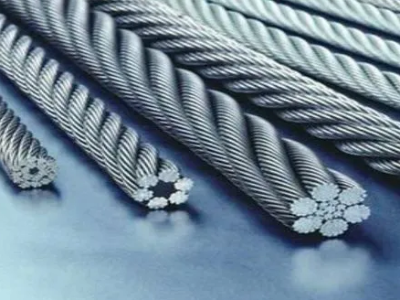
Round-strand point-contact wire rope: In this type of rope, all wires within a strand—with the exception of the centre wire—have the same diameter. The lay lengths of adjacent layers differ, and the wires in adjacent layers within the strand make point-contact with one another; this type of rope is also known as a non-parallel-lay wire rope. The wires within the strand are arranged concentrically, with a difference of six wires between adjacent layers. These ropes offer good flexibility and are predominantly used for small diameters (under 10 mm) and large diameters (over 60 mm), as well as in applications such as lifting and lashing where ease of handling is a consideration.
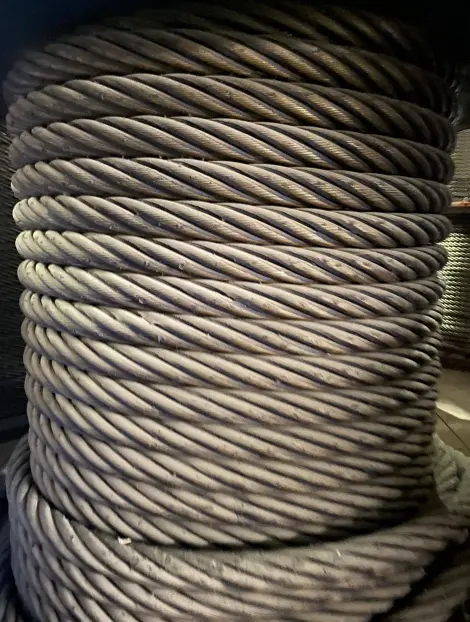
Round-strand point-contact wire rope: In this type of rope, all wires within a strand—with the exception of the centre wire—have the same diameter. The lay lengths of adjacent layers differ, and the wires in adjacent layers within the strand make contact only at specific points; this type of rope is also known as a non-parallel-lay wire rope. The wires within the strand are arranged concentrically, with a difference of six wires between adjacent layers. These ropes offer good flexibility and are predominantly used for small diameters (under 10 mm) and large diameters (over 60 mm), as well as in applications such as lifting and lashing where ease of handling is a consideration.
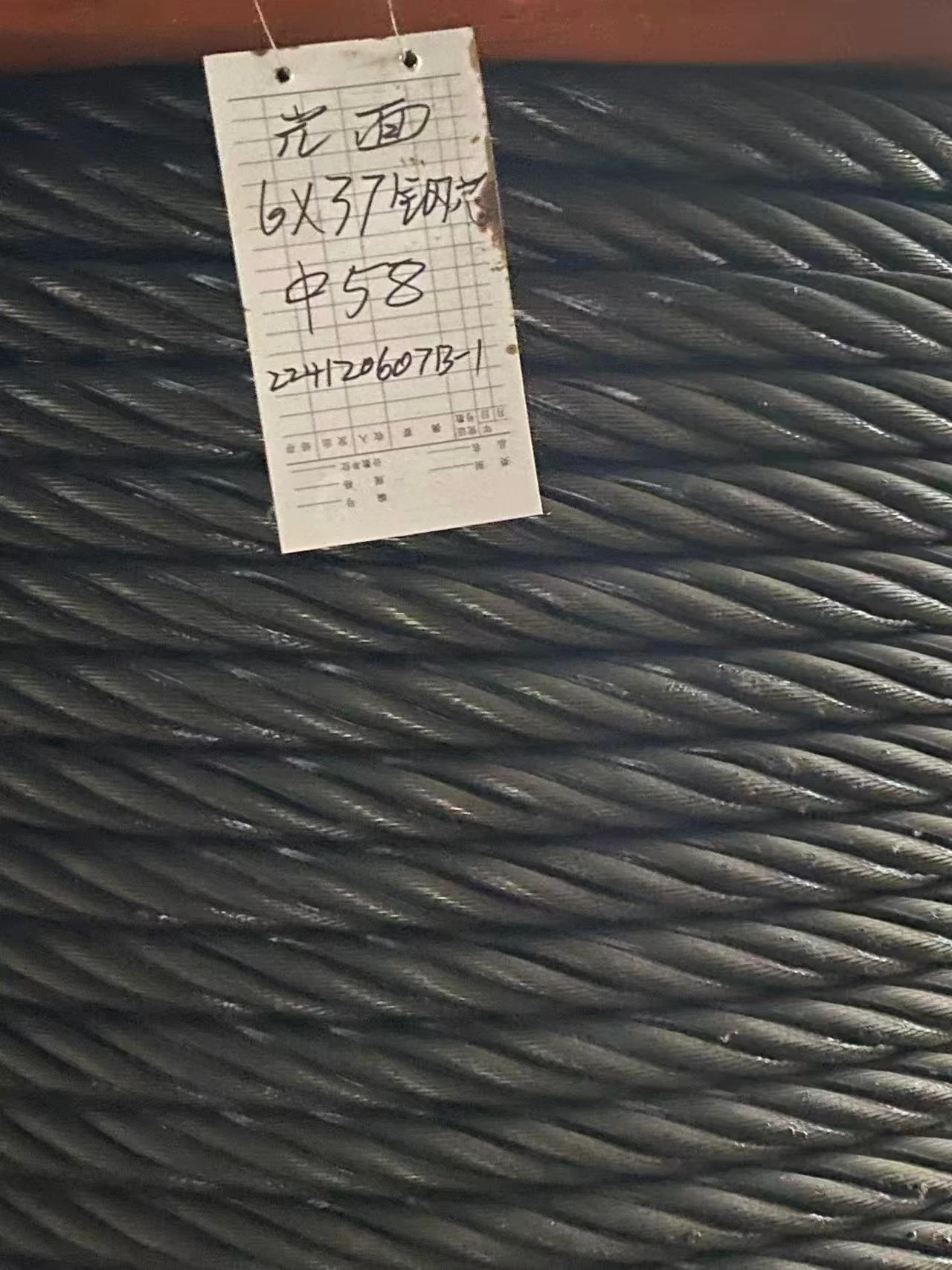
Round-strand point-contact wire rope: In this type of rope, all wires within a strand—with the exception of the centre wire—have the same diameter. The lay lengths of adjacent layers differ, and the wires in adjacent layers within the strand make contact only at specific points; this type of rope is also known as a non-parallel-lay wire rope. The wires within the strand are arranged concentrically, with a difference of six wires between adjacent layers. These ropes offer good flexibility and are predominantly used for small diameters (under 10 mm) and large diameters (over 60 mm), as well as in applications such as lifting and lashing where ease of handling is a consideration.
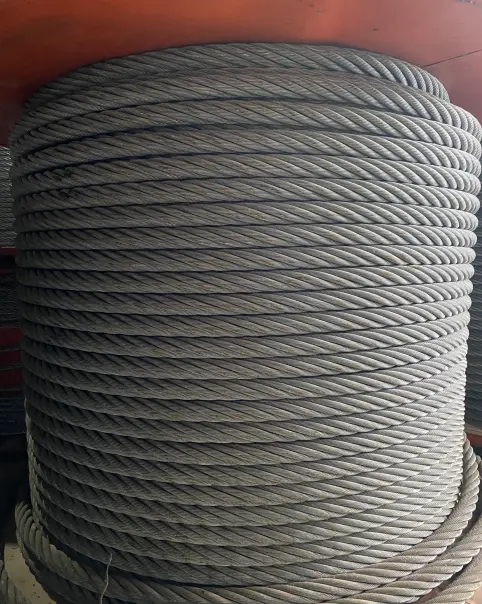
Compared to standard wire ropes, those made from compacted strands offer a higher breaking strength; the compacted strands ensure better contact between the rope and the pulley; furthermore, the large metal surface area of the outer wires makes compacted strands more resistant to wear and corrosion. When steel wire ropes are used on multi-layer winding drums, the smooth surface of compacted strands ensures that adjacent strands do not cause scratches or damage to the rope through mutual friction. This characteristic makes face-contact (compacted strand) steel wire ropes more suitable for multi-layer winding applications.
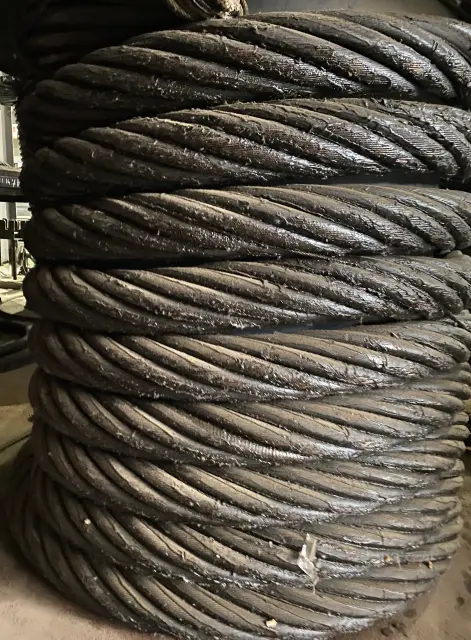
Compared to standard wire ropes, those made from compacted strands offer a higher breaking strength; the compacted strands ensure better contact between the rope and the pulley; furthermore, the large metal surface area of the outer wires makes compacted strands more resistant to wear and corrosion. When steel wire ropes are used on multi-layer winding drums, the smooth surface of compacted strands ensures that adjacent strands do not cause scratches or damage to the rope through mutual friction; this characteristic makes face-contact (compacted strand) steel wire ropes more suitable for multi-layer winding applications.
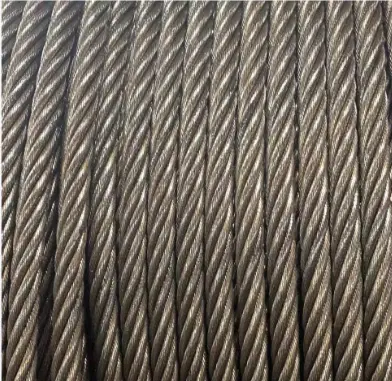
Compared to standard wire ropes, those made from compacted strands offer a higher breaking strength; the compacted strands ensure better contact between the rope and the pulley; furthermore, the large metal surface area of the outer wires makes compacted strands more resistant to wear and corrosion. When steel wire ropes are used on multi-layer winding drums, the smooth surface of compacted strands ensures that adjacent strands do not cause scratches or damage to the rope through mutual friction. This characteristic makes face-contact (compacted strand) steel wire ropes more suitable for multi-layer winding applications.