
GN OCEAN ENGINEERING EQUIPMENT(GROUP) CO. LTD

产品管理

Featured Products

Blog

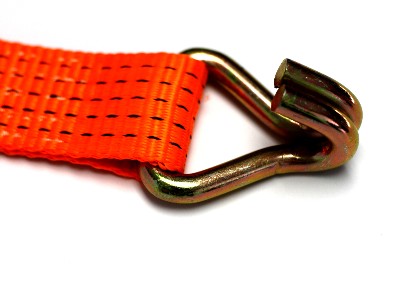
Tie-down straps – Fasteners – Straps

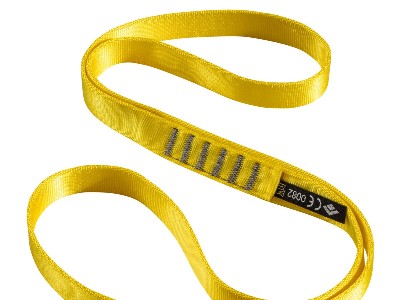
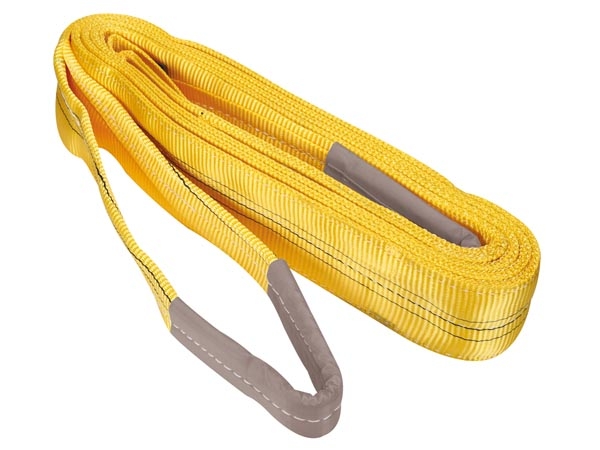
Load capacity: 0–3,000 tons; Length range: 1–100 meters Manufacturing standards: EN 1492-2+A1, JB/T8521-2007 Color: Complies with international standards We offer both sling tubes and finished slings for sale.

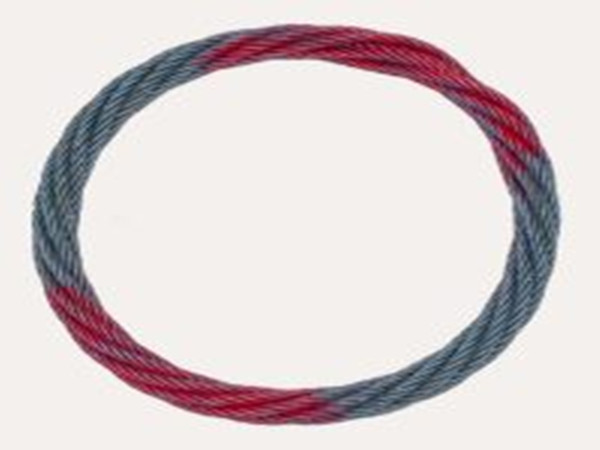
EB-B Type Flat Ring Sling

Load capacity: 0–3,000 tons; Length range: 1–100 meters Manufacturing standards: EN 1492-2+A1, JB/T8521-2007 Color: Complies with international standards We offer both sling tubes and finished slings for sale.

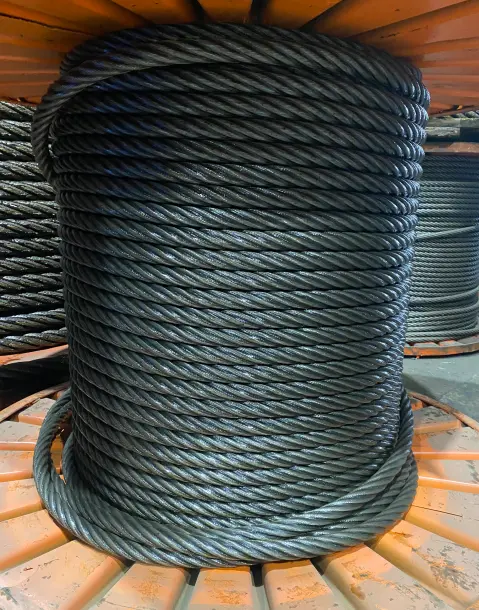
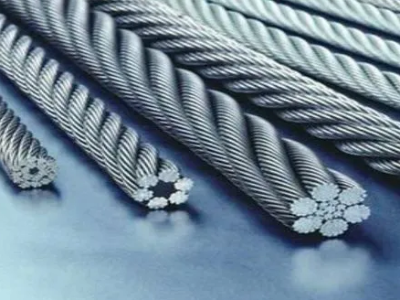
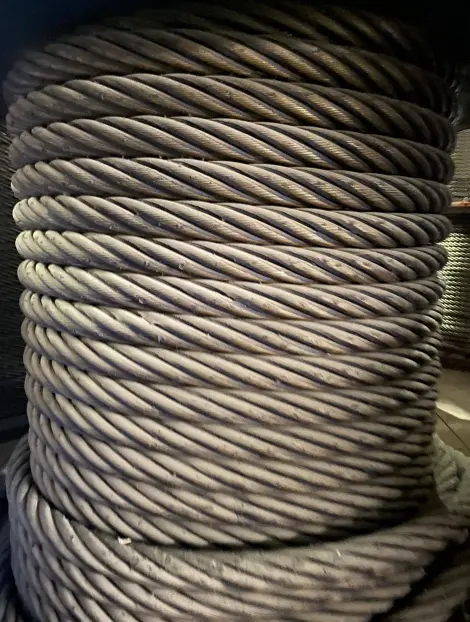
18*K7 anti-rotation compacted-strand steel wire rope

Compared to standard wire ropes, those made from compacted strands offer a higher breaking strength; the compacted strands ensure better contact between the rope and the pulley; furthermore, the large metal surface area of the outer wires makes compacted strands more resistant to wear and corrosion. When steel wire ropes are used on multi-layer winding drums, the smooth surface of compacted strands ensures that adjacent strands do not cause scratches or damage to the rope through mutual friction; this characteristic makes face-contact (compacted strand) steel wire ropes more suitable for multi-layer winding applications.

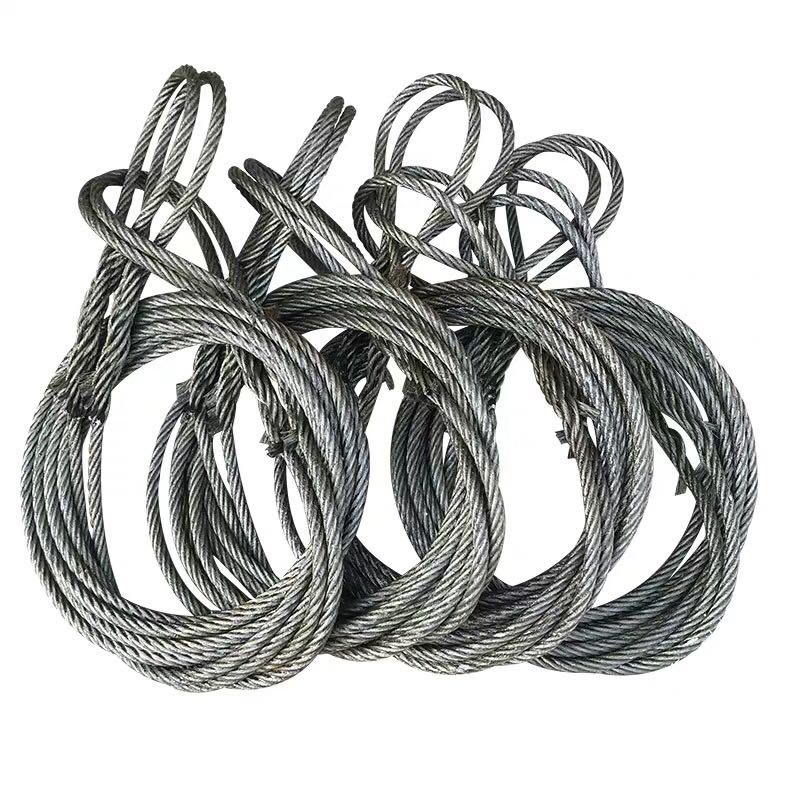
EB-A Type Flat Double-Ear Sling

Load capacity: 0–3,000 tons; Length range: 1–100 meters Manufacturing standards: EN 1492-2+A1, JB/T8521-2007 Color: Complies with international standards We offer both sling tubes and finished slings for sale.

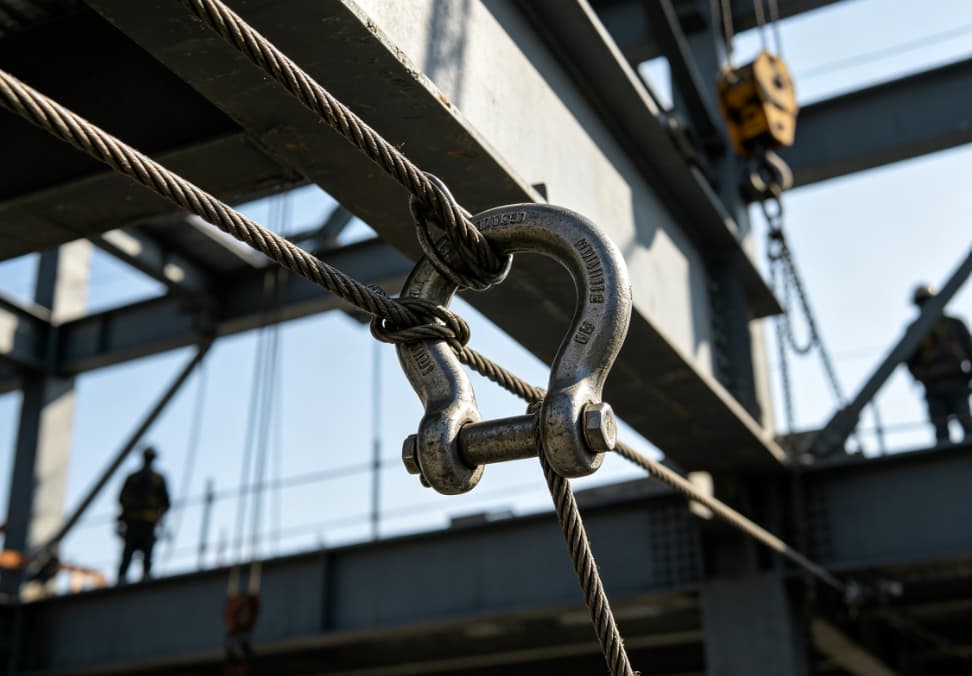
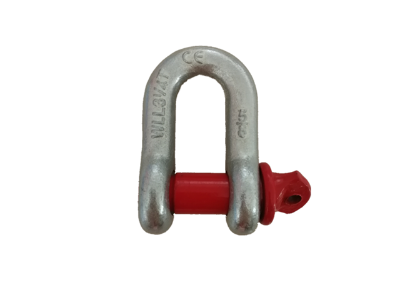
G(S)-210 American-style drop-forged D-ring

Manufacturing Standard: USA Federal Specification RR-C-271F Material: Forged from high-quality alloy steel. Product Testing: Manufacturer’s testing involves a tensile load of twice the rated working load; breakage tests are carried out on samples from each batch. Safety Factor: 6 times the rated working load.

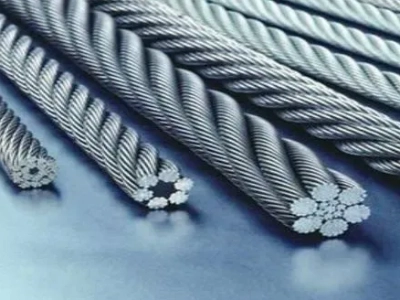
Steel wire ropes for lifts and hoisting machinery

Wire ropes in which adjacent layers of wires within a strand are in line contact are also known as parallel-lay wire ropes. The strands are formed by twisting wires of various specifications; the pitch of the wires in each layer is the same, but the lay angle varies. Depending on the arrangement of the wires within the strand, line-contact wire ropes are classified into four types: Walentin, Sill, filled, and Walentin-Sill. In line-contact wire ropes, not only do the wires within the same layer make line contact, but adjacent wires also make line contact; furthermore, the wires in each layer of the strand have the same lay direction (see Wire Rope Laying Methods) and pitch.

Steel cables for cable cars

Wire ropes in which adjacent layers of wires within a strand are in line contact are also known as parallel-lay wire ropes. The strands are formed by twisting wires of various specifications; the pitch of the wires in each layer is the same, but the lay angle varies. Depending on the arrangement of the wires within the strand, line-contact wire ropes are classified into four types: Walentin, Sill, filled, and Walentin-Sill. In line-contact wire ropes, not only do the wires within the same layer make line contact, but adjacent wires also make line contact; furthermore, the wires in each layer of the strand have the same lay direction (see Wire Rope Laying Methods) and pitch.

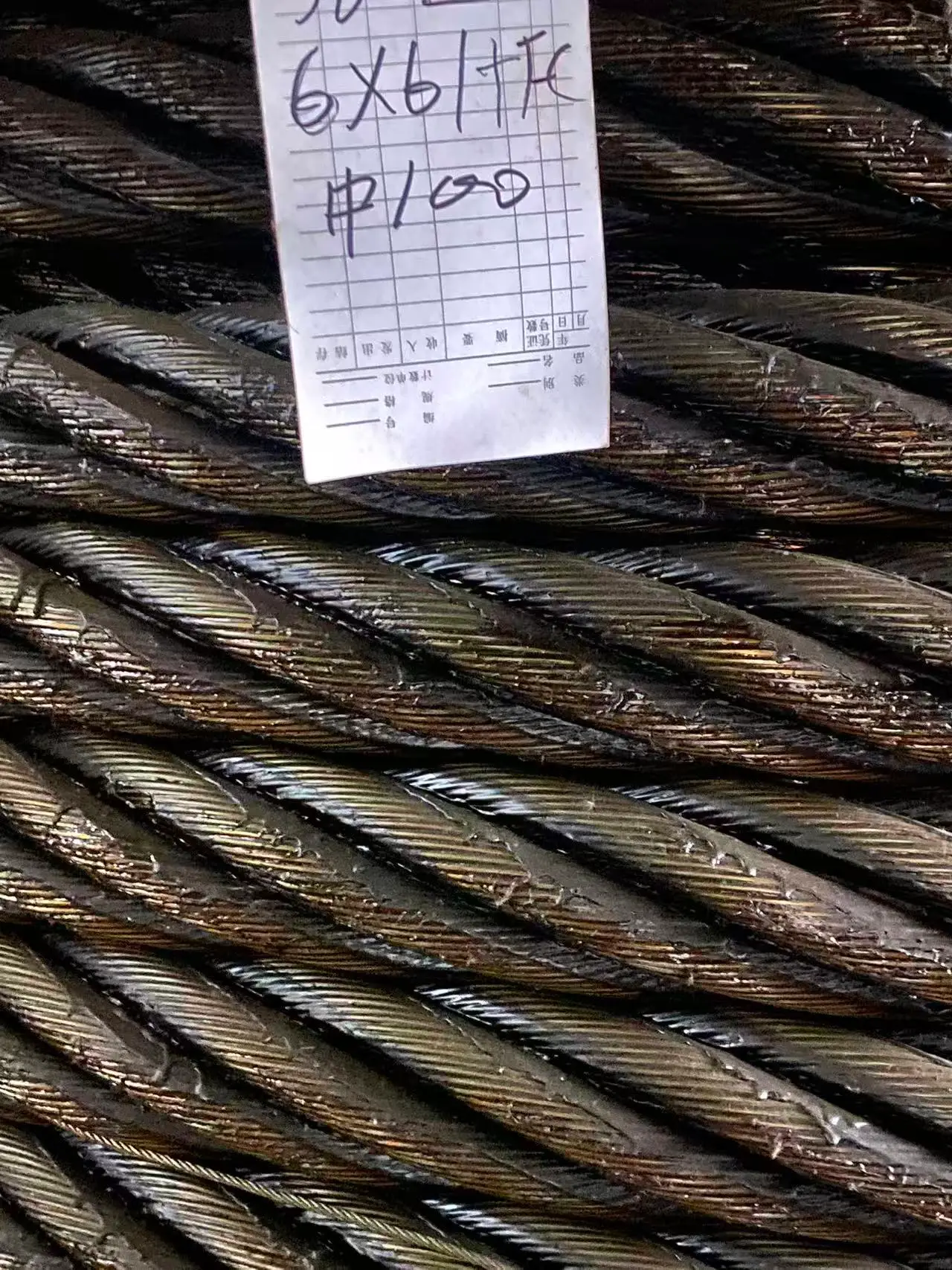
6X61-FC/6X61-IWR round-strand point-contact steel wire

Round-strand point-contact wire rope: In this type of rope, all wires within a strand—with the exception of the centre wire—have the same diameter. The lay lengths of adjacent layers differ, and the wires in adjacent layers within the strand make contact only at specific points; this type of rope is also known as a non-parallel-lay wire rope. The wires within the strand are arranged concentrically, with a difference of six wires between adjacent layers. These ropes offer good flexibility and are predominantly used for small diameters (under 10 mm) and large diameters (over 60 mm), as well as in applications such as lifting and lashing where ease of handling is a consideration.

8×37M-FC/8×37M-IWRC 8×19M-FC/8×19M-IWRC

Round-strand point-contact wire rope: In this type of rope, all wires within a strand—with the exception of the centre wire—have the same diameter. The lay lengths of adjacent layers differ, and the wires in adjacent layers within the strand make point-contact with one another; this type of rope is also known as a non-parallel-lay wire rope. The wires within the strand are arranged concentrically, with a difference of six wires between adjacent layers. These ropes offer good flexibility and are predominantly used for small diameters (under 10 mm) and large diameters (over 60 mm), as well as in applications such as lifting and lashing where ease of handling is a consideration.

6×24 MFC-FC wire rope

Round-strand point-contact wire rope: In this type of rope, all wires within a strand—with the exception of the centre wire—have the same diameter. The lay lengths of adjacent layers differ, and the wires in adjacent layers within the strand make contact only at specific points; this type of rope is also known as a non-parallel-lay wire rope. The wires within the strand are arranged concentrically, with a difference of six wires between adjacent layers. These ropes offer good flexibility and are predominantly used for small diameters (under 10 mm) and large diameters (over 60 mm), as well as in applications such as lifting and lashing where ease of handling is a consideration.

Tell me what you need