Produto
categorias
Blog

Notícias do Setor
Por que as estilingues com ilhós falham — e como garantir que a sua não falhe
As falhas nas estilingues com ilhós são causadas principalmente por quatro fatores: seleção inadequada de materiais, sobrecarga, inspeção insuficiente e manuseio incorreto. Esses problemas podem levar à queda de cargas,
2026-08-07

Notícias do Setor
Grilhão em forma de arco ou grilhão em forma de D: Qual deles você deve especificar?
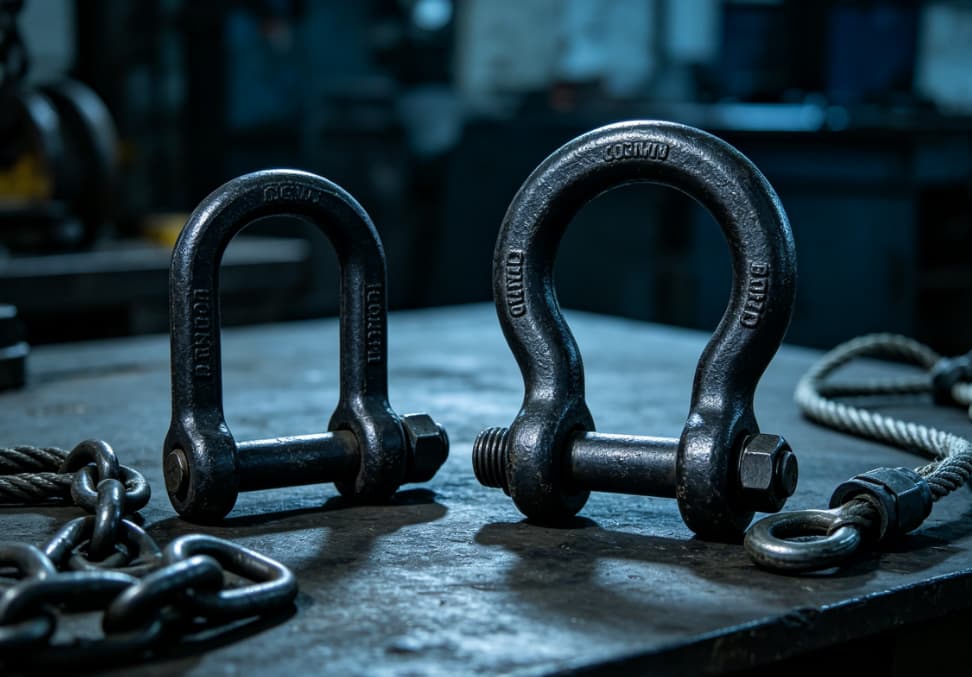
Compare grilhões em forma de arco e grilhões em forma de D quanto à capacidade de carga, aplicações, normas e critérios de seleção para escolher a solução de elevação adequada para operações de amarração seguras e confiáveis.
2026-07-31
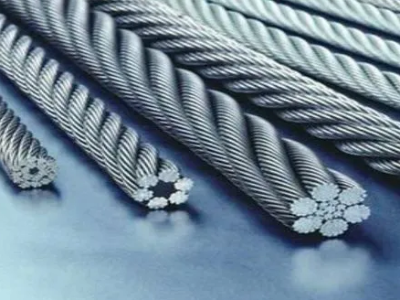
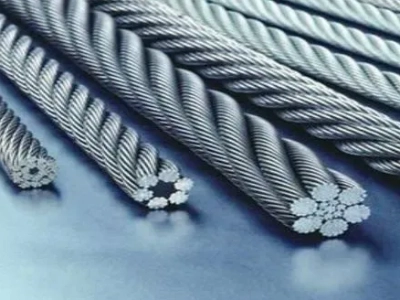
Compared to standard wire ropes, those made from compacted strands offer a higher breaking strength; the compacted strands ensure better contact between the rope and the pulley; furthermore, the large metal surface area of the outer wires makes compacted strands more resistant to wear and corrosion. When steel wire ropes are used on multi-layer winding drums, the smooth surface of compacted strands ensures that adjacent strands do not cause scratches or damage to the rope through mutual friction; this characteristic makes face-contact (compacted strand) steel wire ropes more suitable for multi-layer winding applications.
Capacidade de carga: 0–3.000 toneladas; Faixa de comprimento: 1–100 metros
Normas de fabricação: EN 1492-2+A1, JB/T8521-2007
Cor: Está em conformidade com as normas internacionais
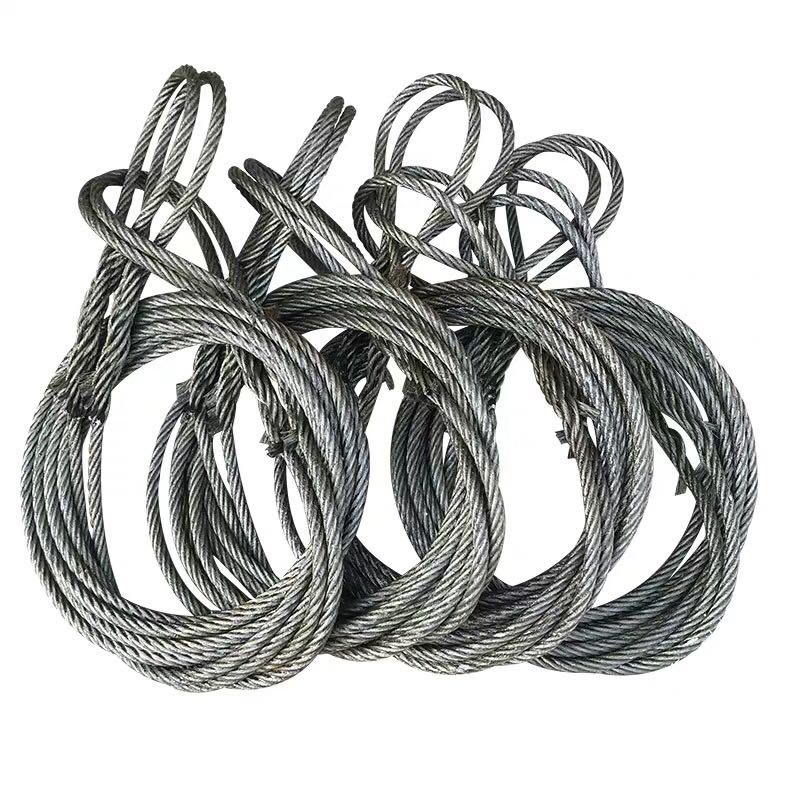
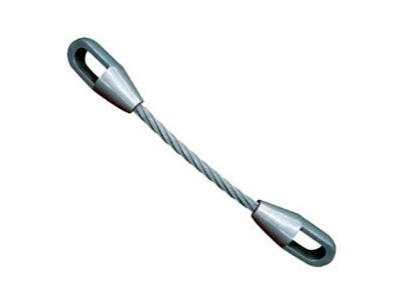
Oferecemos tanto tubos para eslingas quanto eslingas prontas para venda.
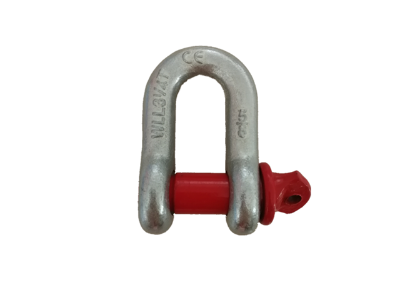
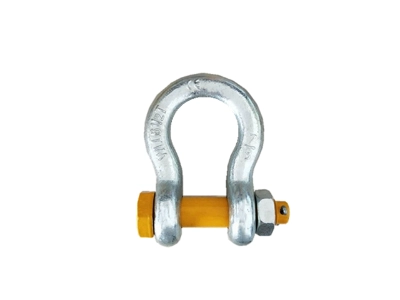
Padrão de Fabricação: Especificação Federal dos EUA RR-C-271FMaterial: Forjado em aço-liga de alta qualidade.Teste do Produto: Os testes realizados pelo fabricante envolvem uma carga de tração duas vezes superior à carga nominal de trabalho; testes de ruptura são realizados em amostras de cada lote.Fator de Segurança: 6 vezes a carga nominal de trabalho.
Wire ropes in which adjacent layers of wires within a strand are in line contact are also known as parallel-lay wire ropes. The strands are formed by twisting wires of various specifications; the pitch of the wires in each layer is the same, but the lay angle varies. Depending on the arrangement of the wires within the strand, line-contact wire ropes are classified into four types: Walentin, Sill, filled, and Walentin-Sill. In line-contact wire ropes, not only do the wires within the same layer make line contact, but adjacent wires also make line contact; furthermore, the wires in each layer of the strand have the same lay direction (see Wire Rope Laying Methods) and pitch.
Round-strand point-contact wire rope: In this type of rope, all wires within a strand—with the exception of the centre wire—have the same diameter. The lay lengths of adjacent layers differ, and the wires in adjacent layers within the strand make contact only at specific points; this type of rope is also known as a non-parallel-lay wire rope. The wires within the strand are arranged concentrically, with a difference of six wires between adjacent layers. These ropes offer good flexibility and are predominantly used for small diameters (under 10 mm) and large diameters (over 60 mm), as well as in applications such as lifting and lashing where ease of handling is a consideration.