

Picture a shipyard preparing to install a massive steel structure on a vessel, a warehouse moving an oversized container for transportation, or a mining operation recovering heavy equipment from deep underground. Although these applications vary widely, they share one critical requirement: safe and reliable heavy-load handling.
A gespleißter Stahldrahtseilgeschirr is often the preferred lifting solution for these demanding environments because it combines high tensile strength, durability, and flexibility for complex lifting operations.
If you are evaluating when this type of sling is suitable for your application, understanding its working principles, advantages, and common use scenarios can help you make a safer and more efficient choice.
What Exactly Is a Spliced Steel Wire Rope Sling?
Before discussing when to use a gespleißter Stahldrahtseilgeschirr, it is important to understand its basic structure and how it works.
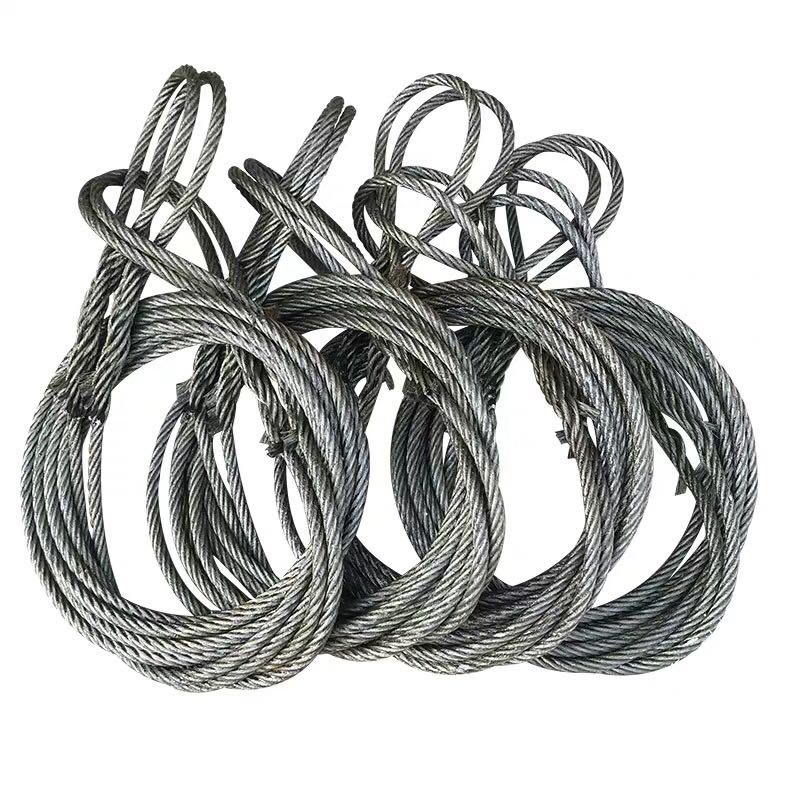
A spliced steel wire rope sling is a lifting component made from a length of steel wire rope with one or both ends formed into reinforced loops, commonly known as eyes. These spliced eyes provide secure connection points for hooks, shackles, and other rigging equipment, allowing the sling to safely handle heavy loads during lifting operations.
Unlike conventional ropes, steel wire rope slings are engineered for industrial lifting applications. Their high-strength steel wire construction provides excellent tensile strength, abrasion resistance, and load-bearing capability, making them suitable for demanding environments such as construction sites, shipyards, manufacturing facilities, and offshore operations.
The splice method also plays an important role in sling performance. Hand splicing creates the eye by manually weaving wire rope strands back into the rope body, while mechanical splicing, including Flemish eye designs, uses a metal sleeve to secure the rope ends. Both methods are designed to provide reliable connections when manufactured and inspected according to proper lifting requirements.
The Three Key Reasons Industries Choose Spliced Steel Wire Rope Slings
Why do industries choose a gespleißter Stahldrahtseilgeschirr over other lifting options? The answer lies in their combination of strength, flexibility, and reliable performance.
1. High Strength for Heavy Lifting
Steel wire rope is designed to withstand demanding loads. A properly manufactured spliced sling maintains most of the rope’s original breaking strength—typically 90% to 95% for mechanical splices. This allows the lifting tool to handle heavy-duty applications while maintaining reliable safety performance.
The working load limits of these slings vary depending on rope diameter, construction, and safety factor. For a 20mm diameter rope, the rated capacity can reach several tons when designed with a 5:1 safety factor. This demonstrates their strong load-bearing capability in industrial lifting operations.
2. Flexibility for Different Lifting Conditions
Although made from high-strength steel, wire rope slings provide excellent flexibility compared with many rigid lifting tools. They can bend around loads, adapt to different shapes, and operate effectively in confined spaces where other lifting equipment may not be suitable.
3. Visible Warning Signs Before Failure
One important safety advantage of wire rope slings is their ability to show visible signs of damage before failure. When overloaded or worn, the wires typically deteriorate gradually rather than failing without warning. Broken wires, kinks, corrosion, and deformation can indicate that a sling requires inspection or replacement. This helps operators maintain safer lifting practices.
When Is a Spliced Steel Wire Rope Sling the Right Choice?
The key question is: when should you choose this type of sling for your lifting operation?
The short answer is: whenever you need to lift, pull, or secure heavy loads in challenging working environments.
Let us look at the most common applications.
Maritime and Offshore Applications
For operations near water, a gespleißter Stahldrahtseilgeschirr is often a reliable lifting solution. These slings are commonly used for ship-to-shore loading, mooring support, and offshore platform maintenance. Their high strength and abrasion resistance help them perform effectively in marine environments where durability is essential.
For example, when loading a cargo vessel at a port, containers, machinery, and heavy equipment must be transferred safely between the dock and the ship. Spliced wire rope slings provide the strength and flexibility required for these lifting tasks.
Construction and Infrastructure
Construction projects rely on wire rope slings for lifting steel beams, concrete components, and heavy machinery. From high-rise buildings to large infrastructure projects, spliced wire rope slings support critical lifting operations where load security and reliability are required.
Manufacturing and Fabrication
Manufacturing plants and fabrication facilities use these slings to move raw materials, machinery components, and finished assemblies. Steel coils, production equipment, and large structures require lifting solutions that can provide consistent performance under repeated use.
Mining and Oil Operations
Mining sites and oil facilities often operate in harsh environments where lifting equipment must withstand heavy loads and demanding conditions. Spliced wire rope slings are widely used because they offer durability, impact resistance, and dependable performance in critical applications.
General Heavy Lifting
Beyond these industries, spliced steel wire rope slings are suitable for many heavy lifting applications, including warehouses, transportation facilities, and steel processing plants. Their versatility makes them a practical choice wherever safe and efficient load handling is required.
Spliced Wire Rope Slings vs. Other Lifting Options
How do spliced steel wire rope slings compare to other common lifting tools?
| Sling Type | Best For | Key Trade-Off |
|---|---|---|
| Spliced Wire Rope | Heavy loads, abrasive environments, outdoor use | Heavier than synthetics; can damage delicate loads |
| Chain Slings | Extreme heat, rough edges, severe-duty service | Heavier and more expensive than wire rope |
| Synthetic Web Slings | Delicate surfaces, lightweight, easy handling | Less durable against abrasion and heat |
The key takeaway? Wire rope slings offer a balanced solution for heavy lifting applications. They provide higher strength than synthetic slings, greater cost efficiency than chain slings, and reliable durability for demanding lifting environments.
Three Common Ways to Use a Spliced Steel Wire Rope Sling
One of the main advantages of spliced steel wire rope slings is their versatility. They can be used in different lifting configurations depending on the load type and application requirements:
- Vertical Hitch: The sling is positioned vertically between the lifting point and the load. This simple configuration is suitable for lifting loads with a single attachment point.
- Choker Hitch: The sling wraps around the load and tightens during lifting. It is commonly used to secure loads that may move or require additional grip.
- Basket Hitch: The sling supports the load from underneath, distributing the weight across two sling legs. This configuration can provide increased lifting capacity when properly applied.
Each hitch configuration has specific advantages, and qualified riggers select the appropriate method based on load characteristics, lifting conditions, and safety requirements.
Safety First: Key Considerations for Spliced Steel Wire Rope Slings
Lifting heavy loads requires careful planning and proper equipment selection. The following safety factors are essential for maintaining reliable lifting performance.
The 5:1 Safety Factor
Quality spliced steel wire rope slings are typically designed with a 5:1 safety factor. This means the sling’s rated breaking strength is five times its working load limit, providing additional protection against dynamic forces, load variations, and unexpected conditions during lifting operations.
Regular Inspections Are Essential
Because wire rope slings experience wear during service, regular inspections are critical for safe operation. Operators should check for broken wires, kinks, corrosion, deformation, and damage around splice areas. Any sling showing significant defects should be removed from service immediately.
Match the Sling to the Load Requirements
Selecting the correct sling capacity is essential for safe lifting. Always verify the working load limit and ensure it meets the actual load requirements, including weight, lifting method, and operating conditions. Product specifications for spliced wire rope slings provide rated capacities for different rope diameters and configurations.
Customization: Selecting the Right Spliced Steel Wire Rope Sling
Every lifting application has different requirements, which is why many suppliers provide customized spliced steel wire rope slings.
Common customization options include:
- Rope diameter – available in various sizes, from compact options (6mm) to larger diameters (24mm+)
- Augengröße – adjustable loop dimensions to match hooks, shackles, and other rigging equipment
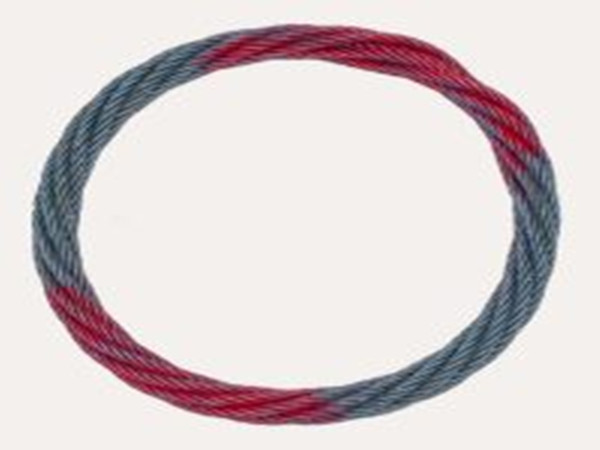
- Seilkonstruktion – different strand designs, such as 6×19 and 6×37, provide different balances of strength, flexibility, and wear resistance
- Core material – fiber core or steel core options depending on load requirements and working environments
This customization capability allows users to select a sling that matches their specific lifting conditions rather than relying only on standard products.
What Specifications Should You Check Before Buying a Spliced Steel Wire Rope Sling?
Choosing the right spliced steel wire rope sling requires more than selecting a rope diameter. Different lifting applications involve different load requirements, operating environments, and connection methods. Understanding the key specifications helps ensure safer and more efficient lifting operations.
Before purchasing a sling, buyers should evaluate several important factors, including rope diameter, working load limit, rope construction, core type, and splice design.
Rope Diameter and Working Load Limit
The rope diameter is one of the most important factors affecting lifting capacity. Larger diameters generally provide higher strength, while smaller diameters offer better flexibility for lighter applications.
However, diameter alone does not determine whether a sling is suitable. Buyers should always check the working load limit and make sure the sling capacity matches the actual lifting requirements, including load weight, lifting angle, and operating conditions.
Rope Construction and Core Type
Different wire rope constructions provide different combinations of strength, flexibility, and wear resistance.
For example, 6×19 wire rope constructions are often selected when abrasion resistance and durability are important, while 6×37 constructions provide greater flexibility because they contain more smaller wires.
The choice between fiber core and steel core also depends on the working environment. Steel core ropes generally provide higher strength and better resistance to heat and compression, while fiber core ropes offer improved flexibility for general lifting applications.
Eye Design and Splice Method
The eye design affects how the sling connects with hooks, shackles, and other lifting equipment.
Mechanical splices, including Flemish eye designs, are widely used in heavy-duty lifting applications because they provide reliable strength and consistent performance. The quality of the splice area is especially important because it directly influences the overall safety and service life of the sling.
Before placing an order, users should confirm:
- Required rope diameter
- Sling length
- Working load limit
- Eye size requirements
- Splice type
- Operating environment
Selecting the correct specifications helps maximize sling performance and reduces the risk of premature replacement.
Why Supplier Quality Matters for Spliced Steel Wire Rope Slings
The performance of a spliced steel wire rope sling depends not only on the rope material but also on manufacturing quality, splice accuracy, and inspection procedures.
A reliable supplier should control key production stages, including wire rope selection, eye formation, splice processing, and final inspection. These processes help ensure that each sling provides consistent strength and reliable performance during heavy lifting operations.
Professional manufacturers typically evaluate several important factors before delivery, including:
- Wire rope diameter accuracy
- Splice workmanship
- Load capacity performance
- Surface condition
- Dimensional consistency
For companies purchasing lifting equipment in bulk, supplier reliability is especially important. Consistent product quality helps reduce operational risks, avoid unexpected downtime, and maintain safe lifting practices across different working environments.
A supplier with customization capabilities can also provide slings with specific lengths, diameters, and configurations, helping customers avoid unsuitable standard products and achieve better lifting efficiency.
Practical Applications of Spliced Steel Wire Rope Slings
Spliced steel wire rope slings are used across industries where heavy loads, challenging environments, and reliable lifting performance are required. The following examples show how different operations apply these slings in real working conditions.
Shipyard Lifting Applications
A shipyard may use a gespleißter Stahldrahtseilgeschirr with a basket hitch to lift heavy generators, marine equipment, or structural components. The sling’s high strength and abrasion resistance help handle large loads and demanding surfaces during marine lifting operations.
Construction Lifting Applications
On construction sites, tower cranes often rely on spliced wire rope slings to move steel beams, concrete components, and heavy machinery. Different sling configurations and eye designs allow crews to adapt the lifting method according to load requirements and site conditions.
Mining Equipment Handling
In mining operations, wire rope slings are commonly used for lifting or positioning heavy equipment in harsh environments. Their durability and visible wear indicators help operators identify potential issues before they affect lifting safety.
When Should You NOT Use a Spliced Steel Wire Rope Sling?
For all their strengths, spliced steel wire rope slings are not always the right choice.
If you are lifting delicate, easily damaged loads – Synthetic slings are gentler on surfaces.
If you are working in extreme heat – Chain slings handle high temperatures better.
If weight is a major concern – Synthetic slings are much lighter.
But for the vast majority of heavy, rugged lifting jobs? Spliced wire rope slings are hard to beat.
Schlussfolgerung
A gespleißter Stahldrahtseilgeschirr is a reliable lifting solution for moving, pulling, and securing heavy loads in demanding environments. From shipyards and construction sites to manufacturing facilities and mining operations, these slings provide a practical combination of strength, flexibility, durability, and customization options.
Choosing the right sling requires matching the rope specifications, working load limit, and lifting configuration with your application requirements.
Ready to Choose the Right Spliced Steel Wire Rope Sling?
Whether you need a sling for marine lifting, construction projects, or industrial equipment handling, selecting the correct gespleißter Stahldrahtseilgeschirr ensures safer and more efficient operations. Contact a professional supplier to discuss your required diameter, length, splice design, and load capacity, and find a lifting solution that meets your specific needs.